In New York, the real estate market hangs on the Fed's decision on rates
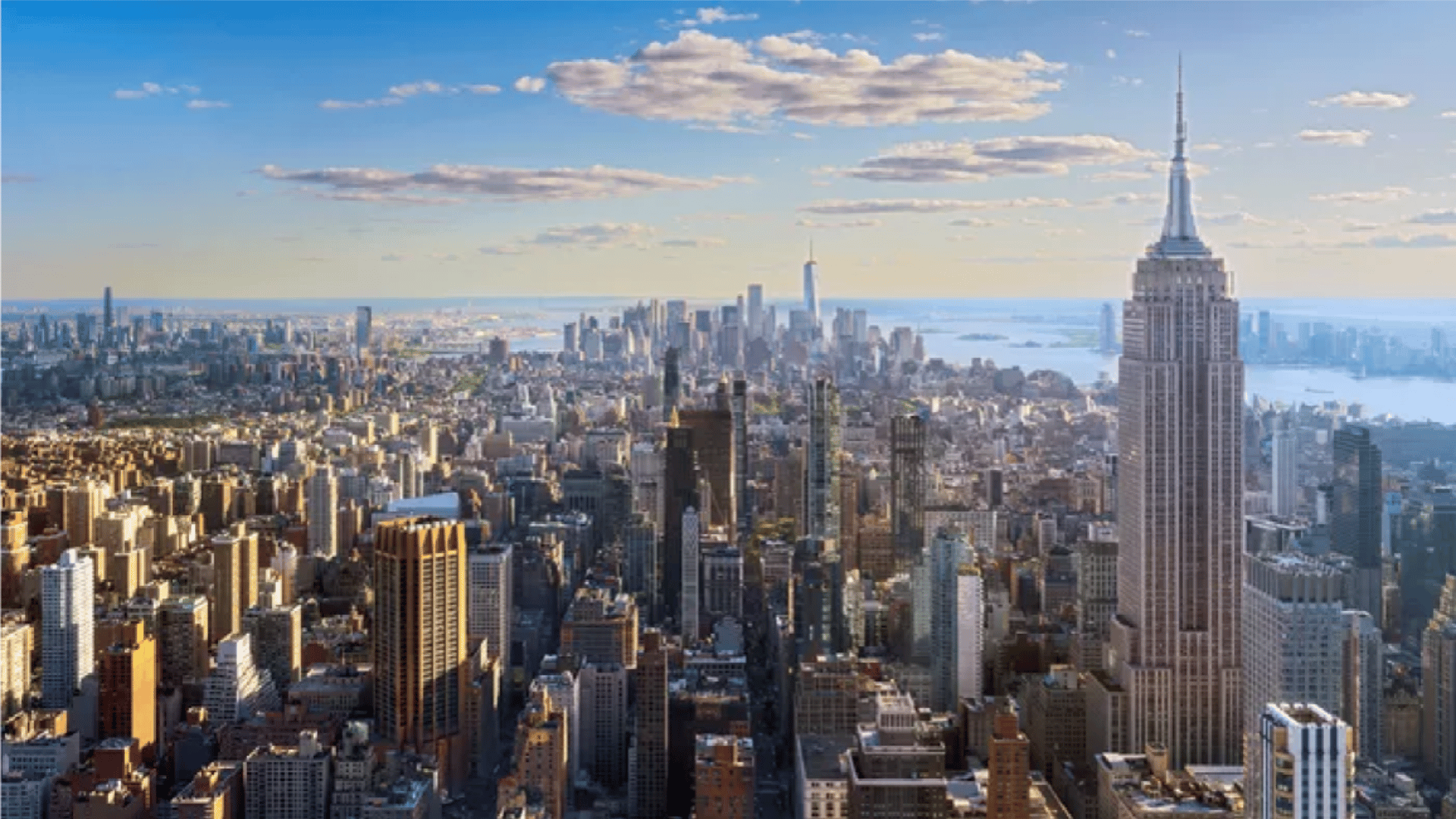
DECRYPTION - A few hours before a decision that is still uncertain, brokers and economists describe a New York real estate market split in two: immutable for the wealthiest and under pressure for the middle class.
This is perhaps the most scrutinized meeting in recent years. This Wednesday, at the end of two days of deliberations in Washington, the US Federal Reserve's (Fed) monetary policy committee is due to announce its decision on key rates. The markets are not expecting a cut but a quarter-point increase, enough to make Donald Trump, who has been calling for "the lowest rates in the world" for months, bristle a little more. In New York, brokers and buyers are eagerly awaiting the decision.
On the other side of the Atlantic, the Fed does not directly set the rate on mortgages, which are rather indexed to ten-year Treasury bonds traded on the market. But the Federal Bank's decisions influence the bond markets and thus the cost of borrowing in the long term. In the Big Apple, real estate is not a sector like any other: according to the Real Estate Board of New York (REBNY), it generates more than half of the city's tax revenues and several hundred thousand jobs. An upward or downward change of one basis point in key rates necessarily never goes unnoticed.
The least well-off clientele is the one who suffers the most from the consequences of a change in rates. "If rates rise, people will have to increase their deposits to amortize their monthly payments," says Ekow John Baiden, agent at Find Real Estate, who fears that hesitant buyers will switch to renting for the long term. Peter Zaitzeff, sales director at Serhant, confirms: "Customers with a down payment of around $500,000 are much more exposed," due to multiple factors such as the cost of living in New York, which has increased by 49% since 2019 according to the Consumer Price Index.
Shortage of goods
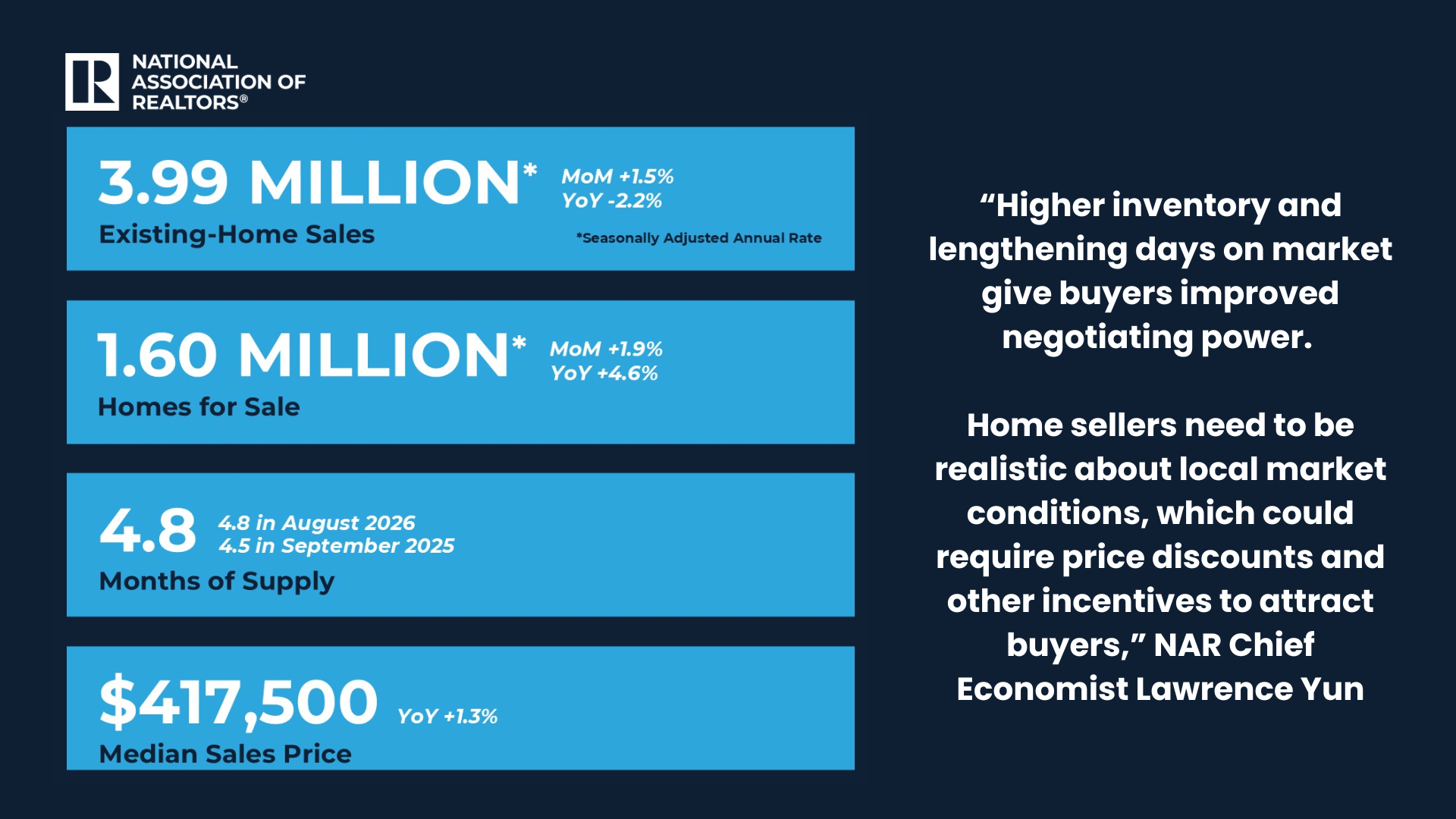
Rey Hollingsworth Falu, president of the Hudson Gateway Association of Realtors, said: "Buyers are not just reacting to rates, but to anticipating their announcement. The average rate over thirty years rose from 6.66% to 6.76% in one week. But a persistent shortage of properties can drive up prices even when rates are also rising. The latest study by his association, published in August, estimates that it would take about fifteen months to sell all the properties currently on sale in the New York area. A supply that is theoretically abundant by regional standards, which should lower prices. However, a majority of properties sell above the prices asked by owners, which creates a situation of shortage for a majority of buyers.
Inventories (the number of properties available) and rates will be the two determining factors in the next eight to fourteen months," says Peter Zaitzeff. Michael Fratantoni, chief economist at the Mortgage Bankers Association, shares this diagnosis: "Elsewhere in the country, in Texas and Florida, supply is outstripping demand and prices are falling. In New York, the situation is totally different: it is much more difficult to build, and I do not expect the same trends.
The main reason: a concentration of wealthy buyers who do not hesitate to pay above market prices. "In the ultra-luxury market where I operate in Manhattan, buyers don't dictate their purchases based on overnight rates," observes Abraham Sarway, associate broker at Douglas Elliman. They are, for the most part, "cash" buyers. A rate hike can affect their balance sheet, not their immediate ability to buy.
The fact remains that no one in New York is predicting the collapse. "New York has always proven to be the most resilient market in the world. I'm pretty optimistic about the long term," says Josh Rubin ????????. A confidence shared by Rey Hollingsworth Falu, for a more structural reason: "Nine million inhabitants, and the whole world who continue to want to live here. Buyers should not make a long-term decision on a single Fed meeting."
About the author: Remi Amalvy is a New York based French journalist.
UPDATE, SEPTEMBER 16, 2026: Following the publication of this article, the Federal Reserve announced a quarter percentage point increase in its benchmark interest rate, raising the federal funds target range to 3.75% to 4.00%. The decision comes as the Fed continues its efforts to address elevated inflation. While the federal funds rate does not directly determine mortgage rates, changes in monetary policy and broader market expectations can influence borrowing conditions and the housing market. - Real Estate In-Depth