Riverdale Co-op Residents Seek Relief from Rising Building Compliance Costs
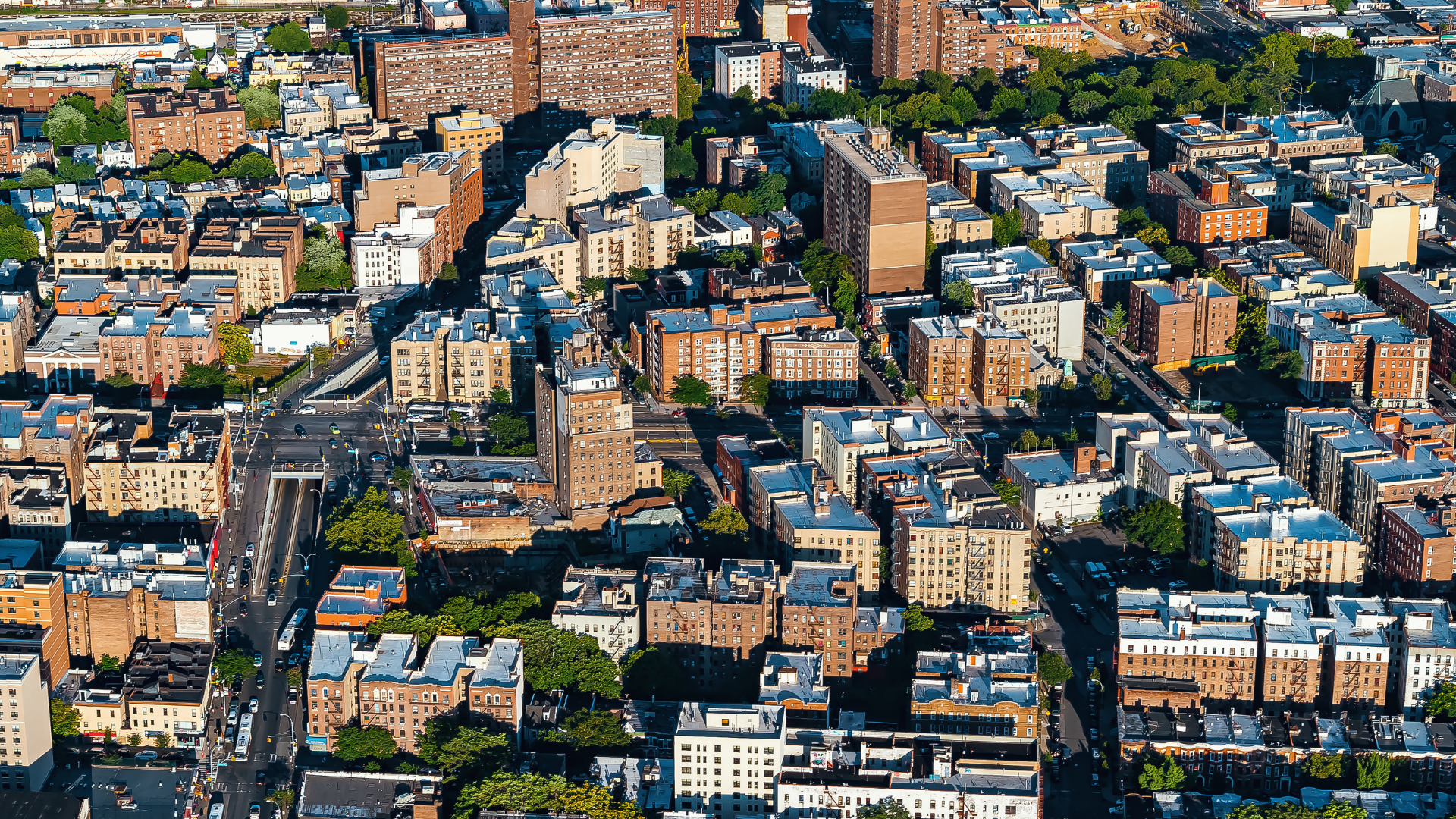
Residents of several Riverdale co-op buildings are calling for financial relief as the costs of complying with New York City's building and environmental regulations continue to mount, raising concerns about housing affordability and the long-term impact on homeowners.
At the center of the discussion are two major requirements facing many multifamily buildings: Local Law 97, which sets emissions reduction targets for large buildings, and Local Law 11, which requires periodic façade inspections and repairs. While both laws are intended to improve building safety and sustainability, some co-op shareholders say the associated costs are placing a growing financial burden on residents.
According to residents and building representatives, compliance expenses can include energy efficiency upgrades, heating and cooling system improvements, façade repairs, engineering studies, and ongoing maintenance work. In many cases, these costs are being passed on to shareholders through assessments or increases in monthly maintenance fees.
For many Riverdale residents, particularly retirees and those living on fixed incomes, the prospect of additional housing costs has become a significant concern. Some residents are advocating for expanded grant programs, tax incentives, financing assistance, or other forms of relief to help buildings meet compliance requirements without placing undue strain on homeowners.
The issue extends beyond Riverdale. Across New York City, co-op and condominium boards are grappling with how to fund building improvements while balancing affordability concerns for residents. As compliance deadlines approach, many buildings are evaluating capital projects, reserve funds, financing options, and long-term maintenance plans.
For REALTORS®, these discussions are increasingly relevant to the residential marketplace. Building assessments, capital improvement projects, and future compliance obligations can influence purchasing decisions, housing costs, and the overall affordability of ownership. Buyers are often asking more questions about a building's financial health, reserve funds, planned upgrades, and potential future assessments before making an offer.
The debate also highlights a broader challenge facing policymakers: how to advance building safety and sustainability goals while maintaining affordability for current homeowners.
As conversations continue in Riverdale and throughout New York City, building owners, residents, policymakers, and housing advocates will be watching closely to see whether additional financial assistance or legislative solutions emerge to help offset compliance costs.
Riverdale's concerns reflect a growing conversation occurring across New York City as aging multifamily buildings work to comply with safety and environmental regulations. The outcome could have implications not only for co-op shareholders, but also for housing affordability, property values, and future residential investment throughout the region.