Orangetown Considers Data Center Moratorium as Demand for AI Infrastructure Grows
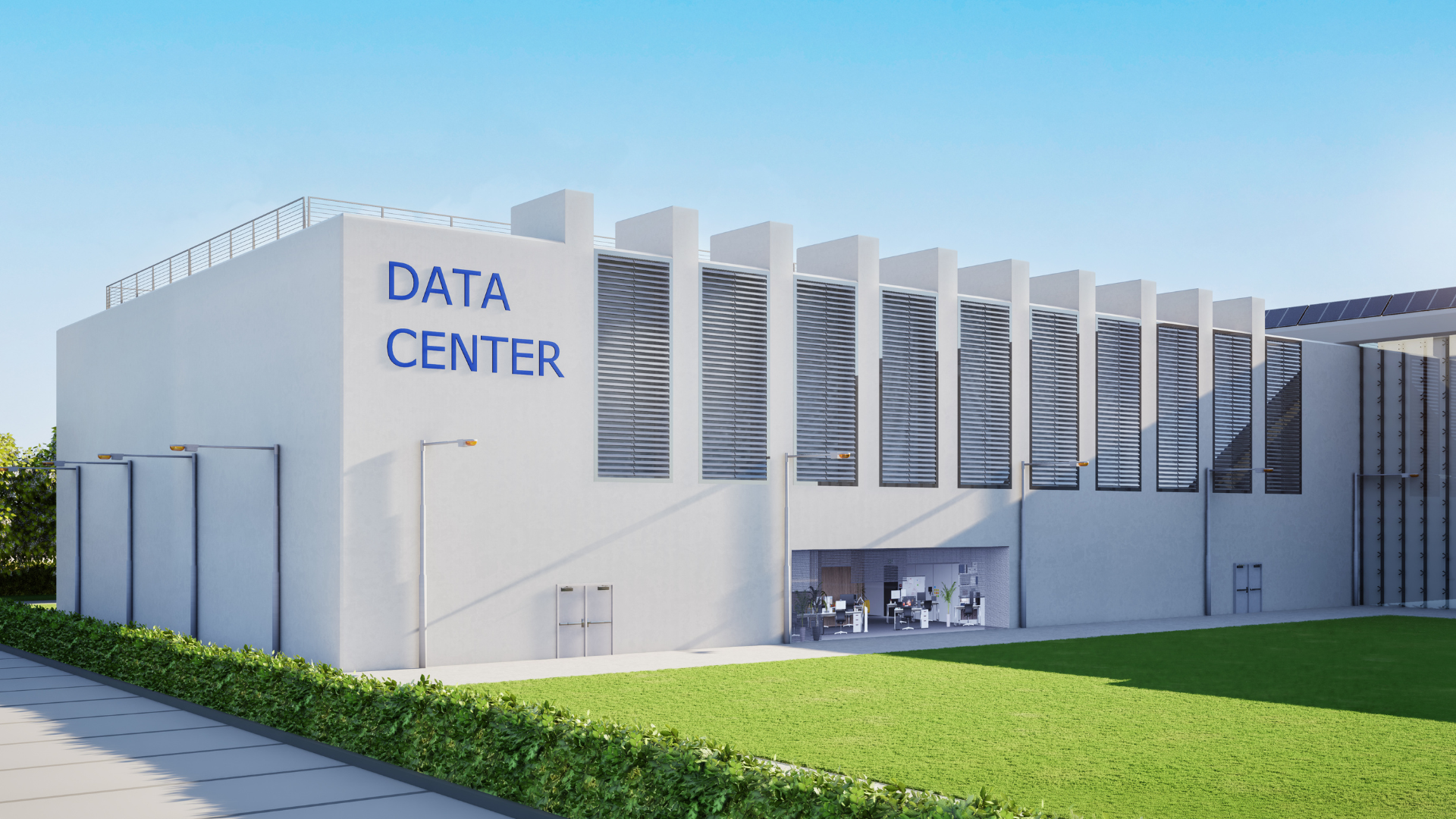
As demand for artificial intelligence and cloud computing continues to accelerate, communities across the country are grappling with a new land-use challenge: where, and how, to accommodate the rapid growth of data centers.
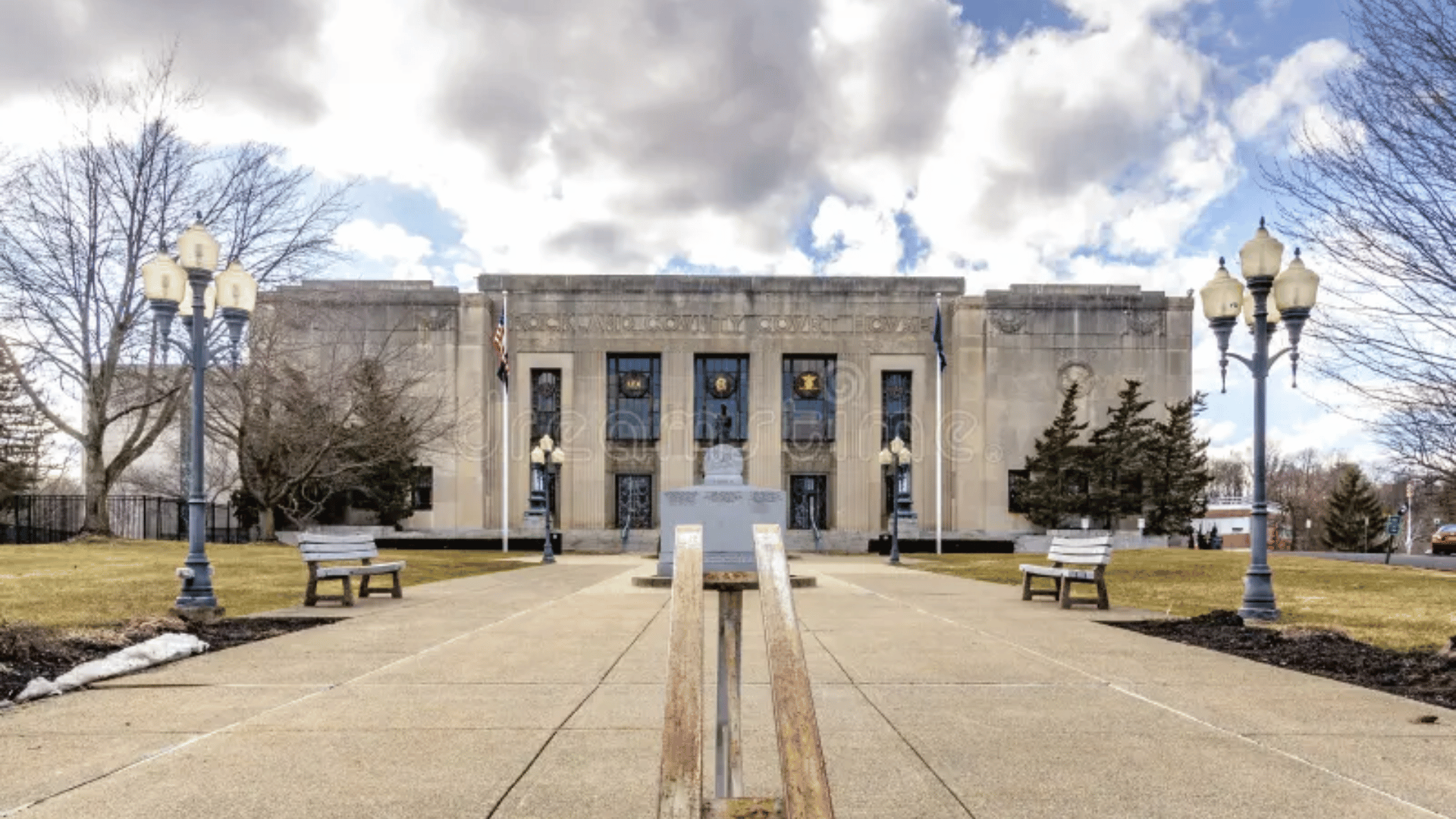
That conversation has arrived in Rockland County, where the Town of Orangetown is considering a potential moratorium on future data center development while officials study the long-term impacts of the industry on local infrastructure, utilities, and the environment. According to reports from a recent Town Board meeting, Orangetown has retained planning consultant AKRF to evaluate potential zoning changes and the feasibility of a temporary moratorium on future data center applications.
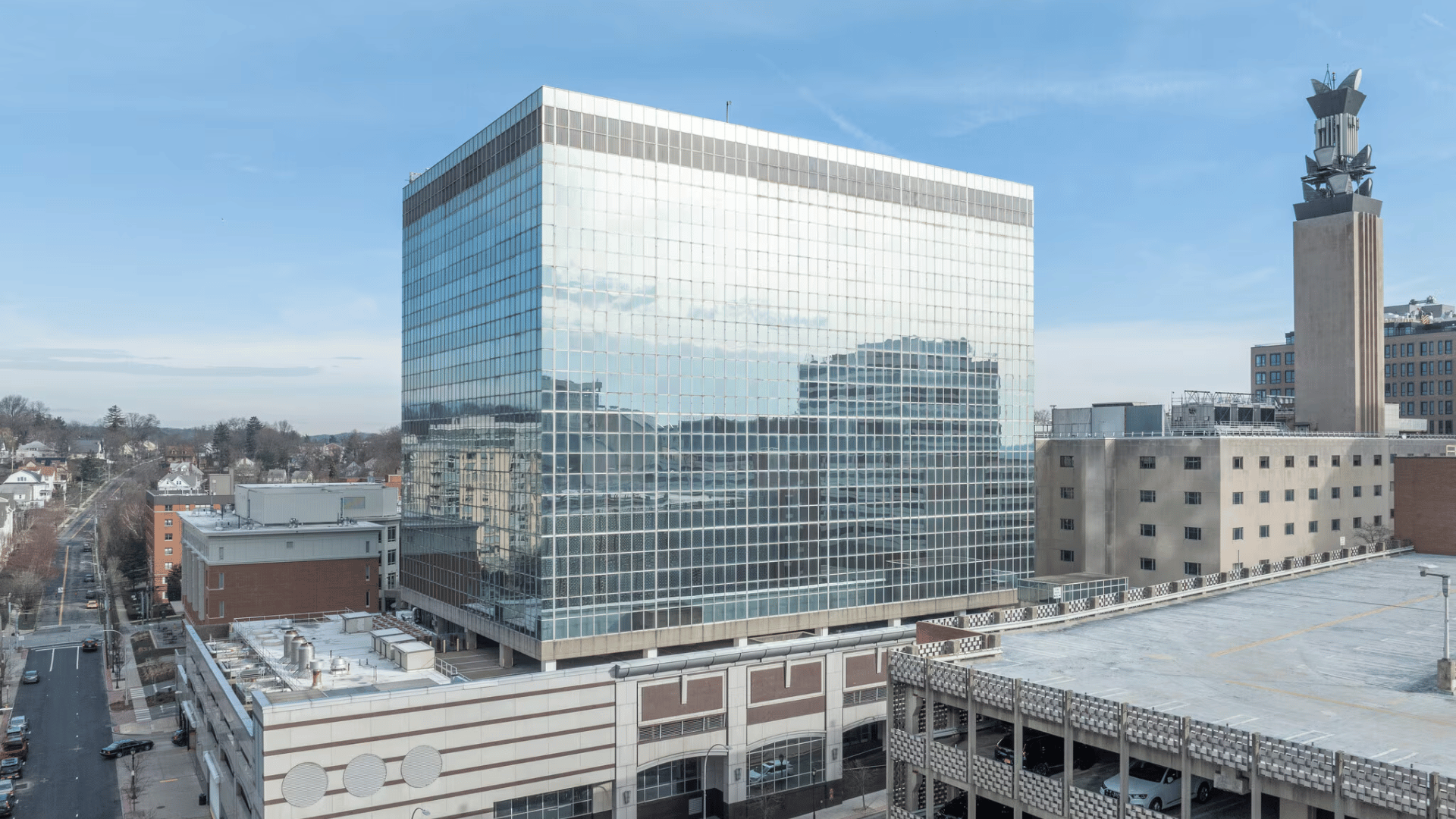
The discussion comes as a proposed expansion by DataBank, a major data center operator with an existing campus in Orangeburg, continues through the local review process. Town officials have indicated that any future moratorium would not apply to the pending DataBank application because it is already under review.
What Is Driving Demand?
Data centers have become essential infrastructure for the digital economy. They support cloud computing, data storage, streaming services, financial transactions, and increasingly, artificial intelligence applications.
Industry growth has been substantial in recent years as businesses and consumers rely on increasingly data-intensive technologies. Orangeburg has emerged as an attractive location due to its proximity to New York City, access to telecommunications infrastructure, and available industrially zoned land. DataBank's existing Orangeburg campus currently provides significant computing capacity serving the New York metropolitan market.
Balancing Economic Development and Community Concerns
Supporters of data center development point to construction investment, tax revenue, technology infrastructure, and the growing importance of digital facilities to the modern economy.
At the same time, residents and local officials have raised concerns about electricity demand, water usage, noise levels, emergency response considerations, and the potential impacts on surrounding neighborhoods and environmental resources. These concerns have become a focal point of public discussions surrounding the proposed Orangeburg expansion.
The debate reflects a broader national conversation as municipalities evaluate how data centers fit into long-term planning goals and whether existing zoning regulations adequately address facilities that can consume significant amounts of power and resources.
Statewide Attention on Data Centers
The Orangetown discussion comes as New York State lawmakers have advanced the Responsible Data Center Development Act, legislation that would establish a one-year statewide moratorium on approvals for certain large-scale data center projects while state agencies conduct additional environmental and infrastructure studies. If signed by Governor Kathy Hochul, New York would become the first state in the nation to implement such a measure.
The proposed legislation would require a comprehensive review of issues including electricity consumption, water usage, environmental impacts, economic incentives, and long-term energy planning associated with large data center developments.
A Growing Land Use Issue for Local Communities
For real estate professionals, developers, and municipal leaders, the Orangetown discussion highlights an emerging trend that is likely to shape future land-use conversations throughout the Hudson Valley and beyond.
As demand for AI and cloud computing infrastructure continues to expand, communities will increasingly be asked to balance economic opportunity with infrastructure capacity, environmental stewardship, and quality-of-life considerations. The outcome of Orangetown's review process may provide insight into how municipalities across New York approach future data center proposals and the evolving role these facilities play in local economic development.