October Legislative Update

The House and the Senate have passed and President Trump has signed a stopgap funding resolution through Dec. 11. This is a big step in keeping certainty going for the country and the economy at large.
Included in this resolution is an extension of the National Flood Insurance Program through next September, which will keep home purchases that require flood insurance more affordable. More government aid was not included for small business which has been negatively affected by COVID. House members have tried to attach repeals of the SALT cap, but that is not popular with lawmakers from low taxed states.
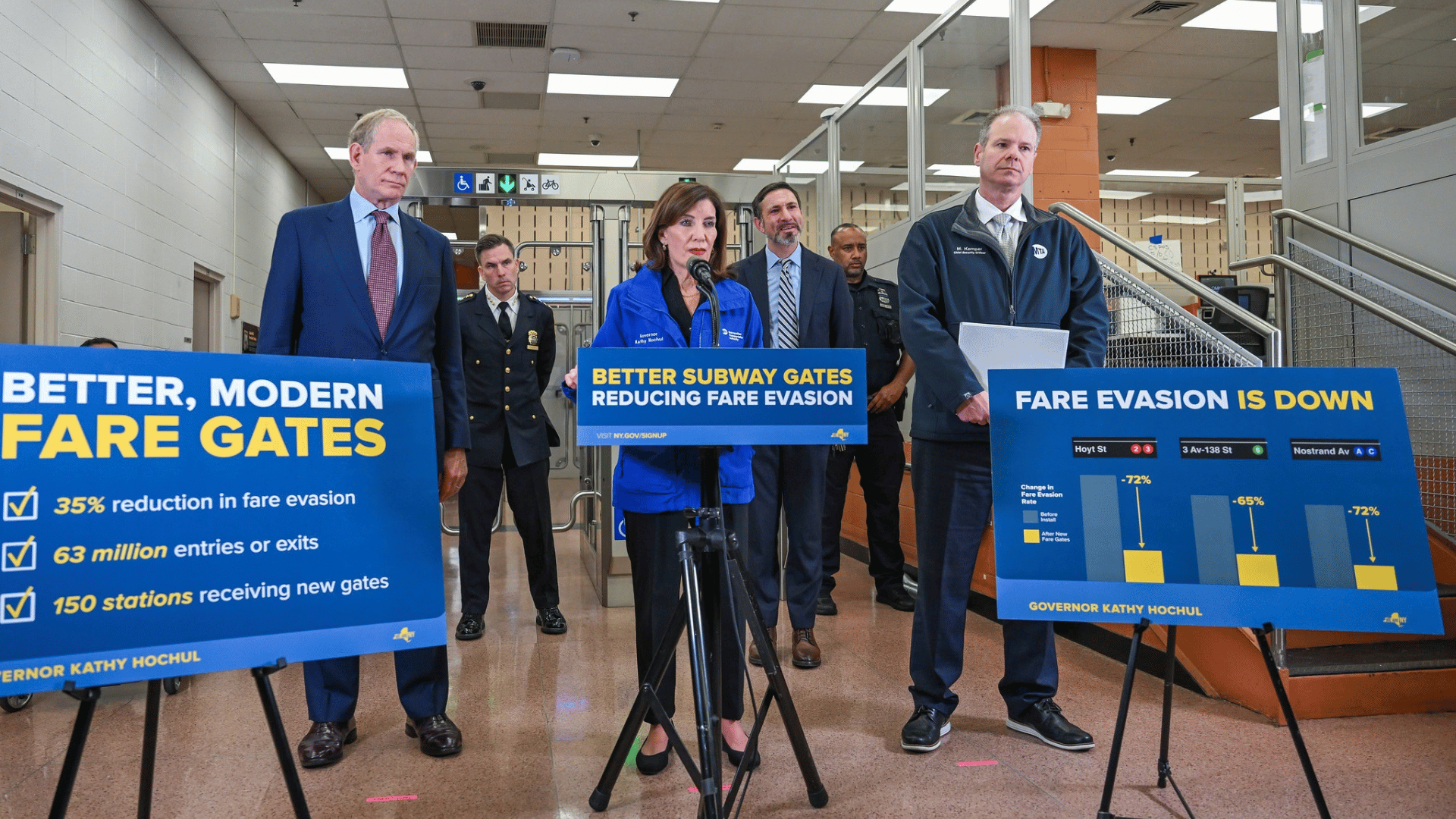
On a state level, lawmakers are considering revenue raiser enhancers to avoid draconian budget cuts. The MTA needs $12 billion from the federal government or commuter rail service west of the Hudson could be shut down. Metro North and the Long Island Rail Road could lose half of its current service.
One of the revenue raisers being promoted for the New York City area is a pied a terre tax which would primarily hit the affluent people who maintain an apartment in New York City. This could theoretically generate significant revenue, however, the downside result could be the abandonment of New York City by the owners of these apartments.
On a local level, the Human Rights Commission of Westchester County reported that only two fines have gone out to co-op apartment boards so far under the county co-op law. According to the FOIL request that HGAR submitted to Westchester County there have been at least 278 rejections and likely well over 300 at this point.
The commission made several recommendations, one of which was requiring a uniform application for all co-ops to use. Legislators generally support a reason in writing stating why a prospective purchaser, or renter is being denied from the co-op. Stay tuned for updates.