NYC Budget Gap’s Implications for the Real Estate Industry
The city is facing a projected $12-billion budget gap over the next two fiscal years. This shortfall, described by New York City Comptroller Mark Levine as “beyond anything we’ve seen in recent memory,” reflects structural fiscal pressures, rising expenditures and limits in revenue growth. For our industry, which contributes a significant portion of the city’s tax base, these developments have direct implications for operations, investment decisions and long-term planning.
The projected deficit is not just a number, it signals potential pressure on municipal services that underpin the real estate market. Staffing for permitting, inspections, and code enforcement could face constraints. Investments in infrastructure and community development may be delayed. Programs that support affordable housing and tenant protections could see funding reductions. These changes could affect both residential and commercial real estate activity across the city, influencing project timelines, costs and market stability.
New York City Mayor Zohran Mamdani has acknowledged the size of the gap and proposed a combination of revenue adjustments and spending priorities to address it. While some proposals focus on higher-income taxes or development fees, these measures could influence market behavior and development incentives. As an industry, we must remain engaged in these discussions to ensure policies balance fiscal responsibility with a healthy and competitive real estate market.
The Comptroller’s office warns that this budget gap is unlikely to be fully addressed through one-time measures alone. This makes real estate’s role as a stable revenue source even more critical. Property and transaction taxes account for nearly half of NYC’s revenues, meaning any slowdown in market activity could further stress the city’s finances. It is essential for our members to monitor policy decisions that impact taxation, zoning, development approvals and city programs that affect property values and transactions.
Beyond immediate fiscal concerns, this is also a moment to consider equity and long-term market health. Policies around affordable housing, community development, and housing access are at risk when budgets tighten. Our industry must advocate for solutions that preserve economic opportunity, support sustainable growth and maintain New York City as a competitive real estate market.
Over the coming months, our association will be actively monitoring budget negotiations and engaging with city leaders to ensure that the voice of our members is heard. We will provide updates, analysis and guidance on how proposals may affect your business, investments and the broader market. Your engagement and awareness are critical. Together we can help shape policies that support a strong, stable and equitable real estate industry in New York City.
Our commitment remains clear: we will work with city officials to address these fiscal challenges while protecting the interests of our members, ensuring that New York City’s real estate market continues to thrive, and advocating for policies that balance financial sustainability with growth and opportunity.
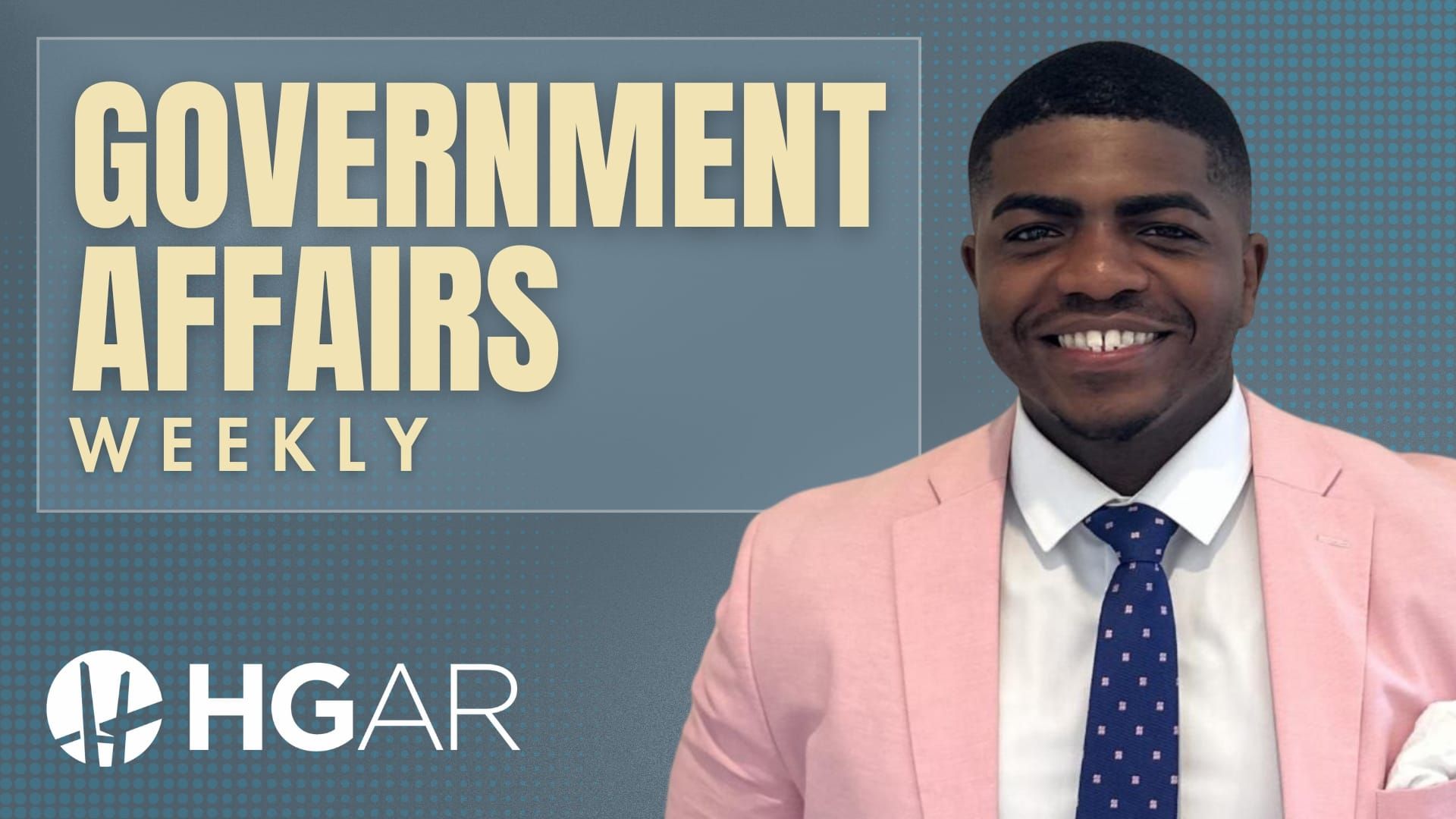
About the author: Dr. Jermaine Meadows is the Director of Government Affairs for the Bronx and Manhattan for the Hudson Gateway Association of Realtors.