New York Leads Nation with $2.27 Billion in Historic Building Rehabilitation Investments
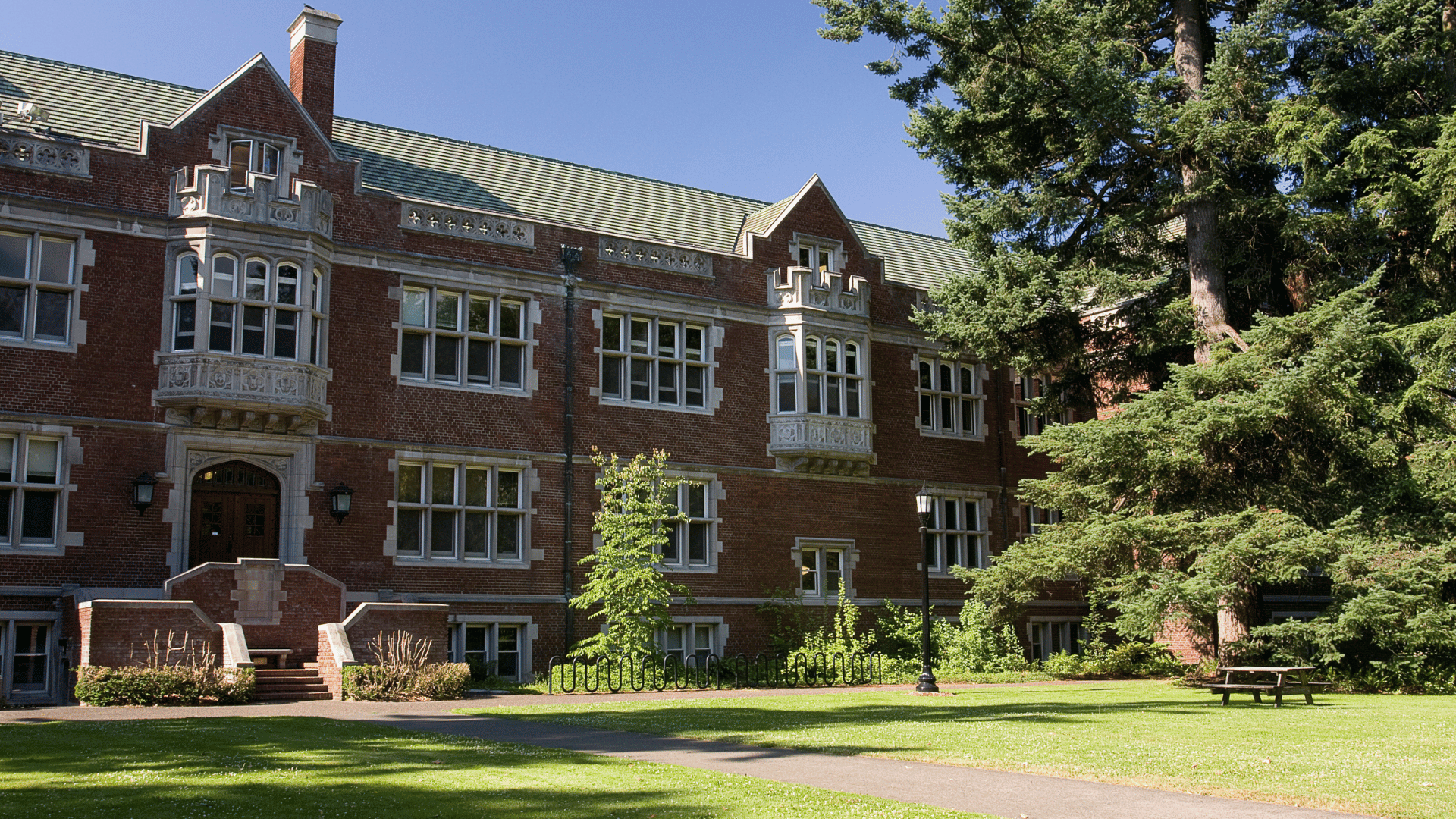
New York State continues to lead the nation in historic building rehabilitation, with $2.27 billion invested in 106 completed projects in 2025, according to an October 30 announcement by Governor Kathy Hochul.
For the ninth consecutive year, New York ranked first nationally in the use of state and federal historic rehabilitation tax credits, which help property owners and developers restore historic buildings for residential, commercial and mixed-use purposes.
According to the National Park Service's 2025 report, New York had 460 historic rehabilitation projects completed, under construction or in planning. The 106 completed projects represented $2.27 billion in investment, supporting an estimated 37,000 jobs and generating $4.28 billion in economic output.
The tax credit programs have also contributed to affordable housing development. Since 2021, 164 affordable housing projects have used the incentives to create 5,101 housing units and rehabilitate 30,066 existing units statewide.
Historic rehabilitation tax credits provide financial incentives for qualifying property owners. Eligible income-producing properties may qualify for a federal income tax credit of 20 percent of qualified rehabilitation costs and a state credit ranging from 20 to 30 percent, with the state credit capped at $5 million per building.
Recent changes to New York's tax credit program have expanded eligibility for projects creating affordable housing, allowing qualifying developments statewide to benefit from the incentives.
The programs have supported redevelopment efforts in communities throughout New York, including Middletown and Newburgh in Orange County, where public housing authorities are among the organizations using or preparing to use the incentives.
Since 2021, property owners across New York have completed 606 historic rehabilitation projects representing $9.33 billion in investment, demonstrating the continued role of historic preservation and adaptive reuse in housing development and economic revitalization.