Study Identifies $9.06 Billion in Hudson Valley Road Paving Needs, Highest in New York State

Real Estate In-Depth • November 19, 2026
Study Identifies $9.06 Billion in Hudson Valley Road Paving Needs, Highest in New York State
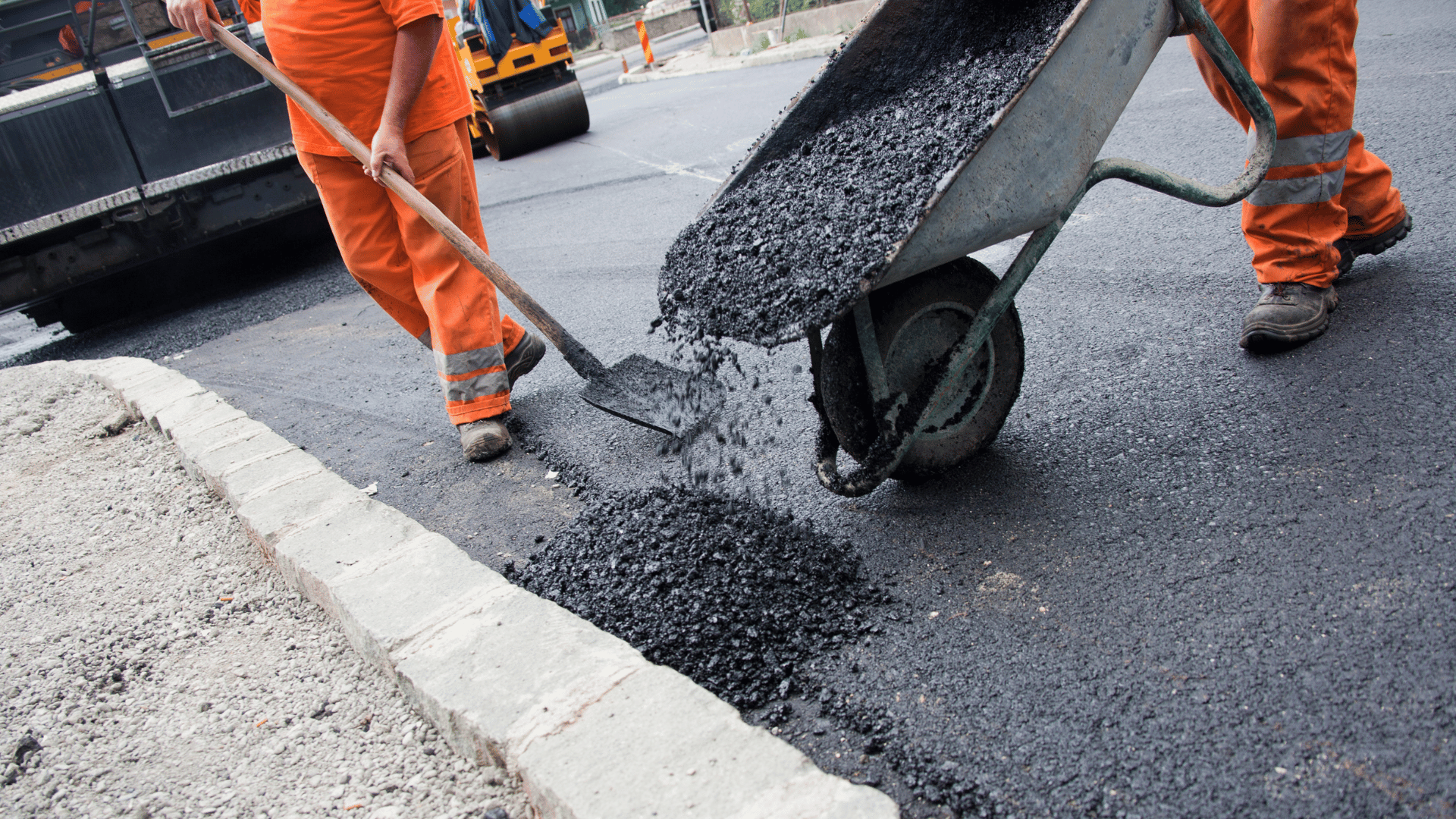
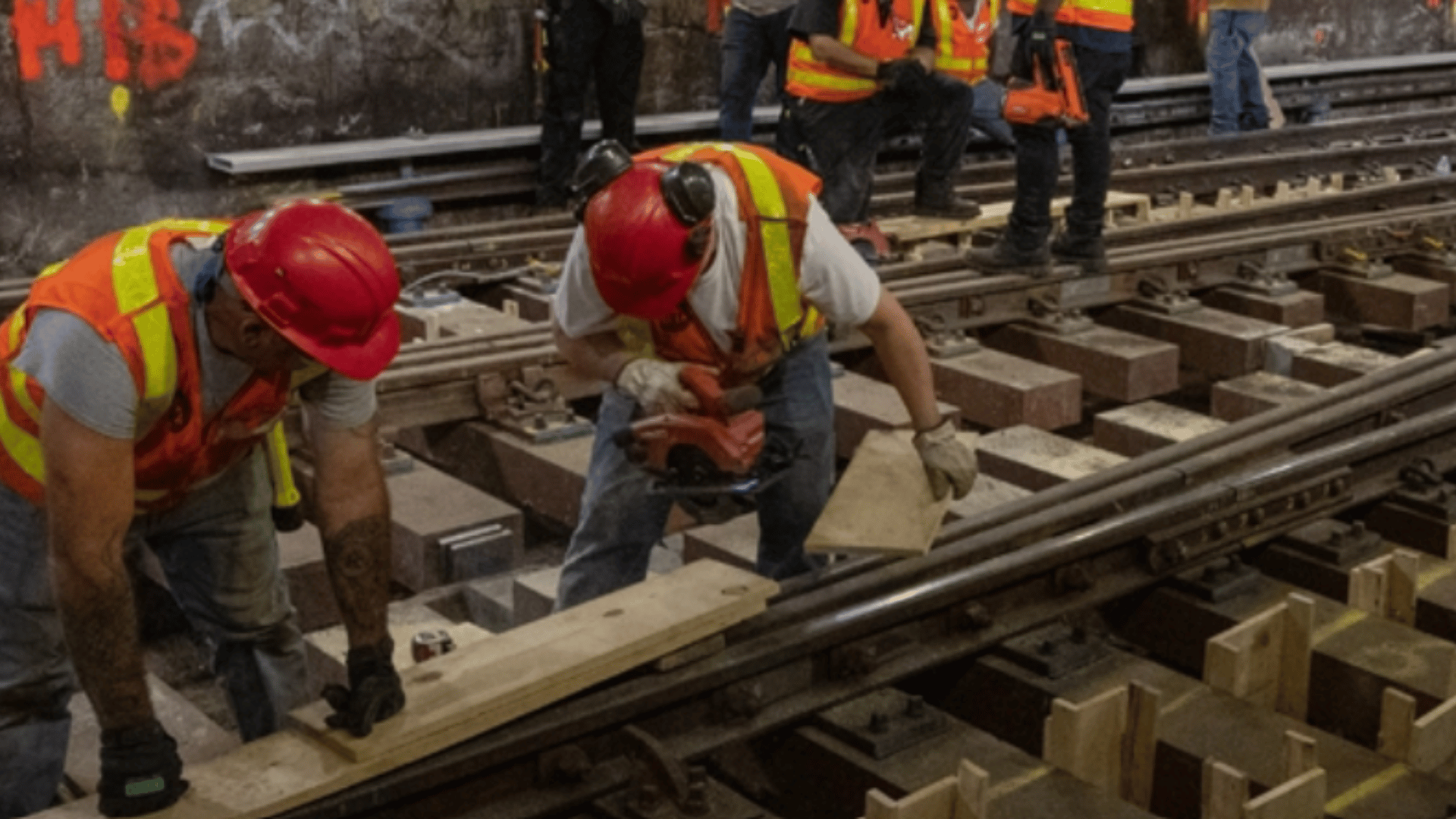
A new study estimates that $29.5 billion in road paving investments will be needed across New York State over the next five years, including $9.06 billion in the Hudson Valley, where deteriorating road conditions present significant infrastructure challenges.


The study, prepared by Applied Pavement Technology and released by Rebuild New York Now, a coalition representing business, labor and local governments, examines the funding needed to improve pavement conditions on roads maintained by the New York State Department of Transportation (NYSDOT) between 2027 and 2031.


According to the findings, NYSDOT Region 8, which encompasses Westchester, Rockland, Putnam, Orange, Dutchess, Ulster and Columbia counties, has the highest estimated road paving investment needs of any region in the state. The $9.06 billion required for the Hudson Valley is more than double the estimated amount needed in any other NYSDOT region.


The region's state-maintained road network includes more than 5,700 lane-miles, with over 770 lane-miles classified as being in poor condition. While interstate highways have generally been maintained in good repair, many other state roads have experienced significant deterioration.


The study also notes that NYSDOT maintains approximately 13% of the roads in the region. The estimated $9.06 billion does not include improvements to roads maintained by municipalities and other public entities, which account for the remaining 87%.


Poor road conditions also carry substantial economic consequences for residents and businesses. According to a separate study by transportation research organization TRIP, drivers in the Poughkeepsie-Newburgh-Middletown area incur an estimated $2,156 annually in costs associated with deteriorating roads, traffic congestion and crashes. In the New York metropolitan area, including Westchester and Rockland counties, those estimated costs rise to $3,755 per driver annually.


Transportation infrastructure plays an important role in regional economic development, supporting residential and commercial accessibility, business operations and the movement of goods and services. The findings highlight the scale of infrastructure investment needs across the Hudson Valley as communities continue to experience residential and commercial development.


Rebuild New York Now is calling on Governor Kathy Hochul and the State Legislature to address the identified needs in NYSDOT's next five-year capital plan. The coalition maintains that sustained investment is necessary to improve road conditions and prevent further deterioration.


The $29.5 billion statewide figure and $9.06 billion Hudson Valley estimate represent projected investment needs, not funding that has been approved or allocated.
By Real Estate In-Depth • November 19, 2026
The funding is intended to modernize hospital infrastructure, reduce energy consumption and lower greenhouse gas emissions.
By Real Estate In-Depth • November 19, 2026
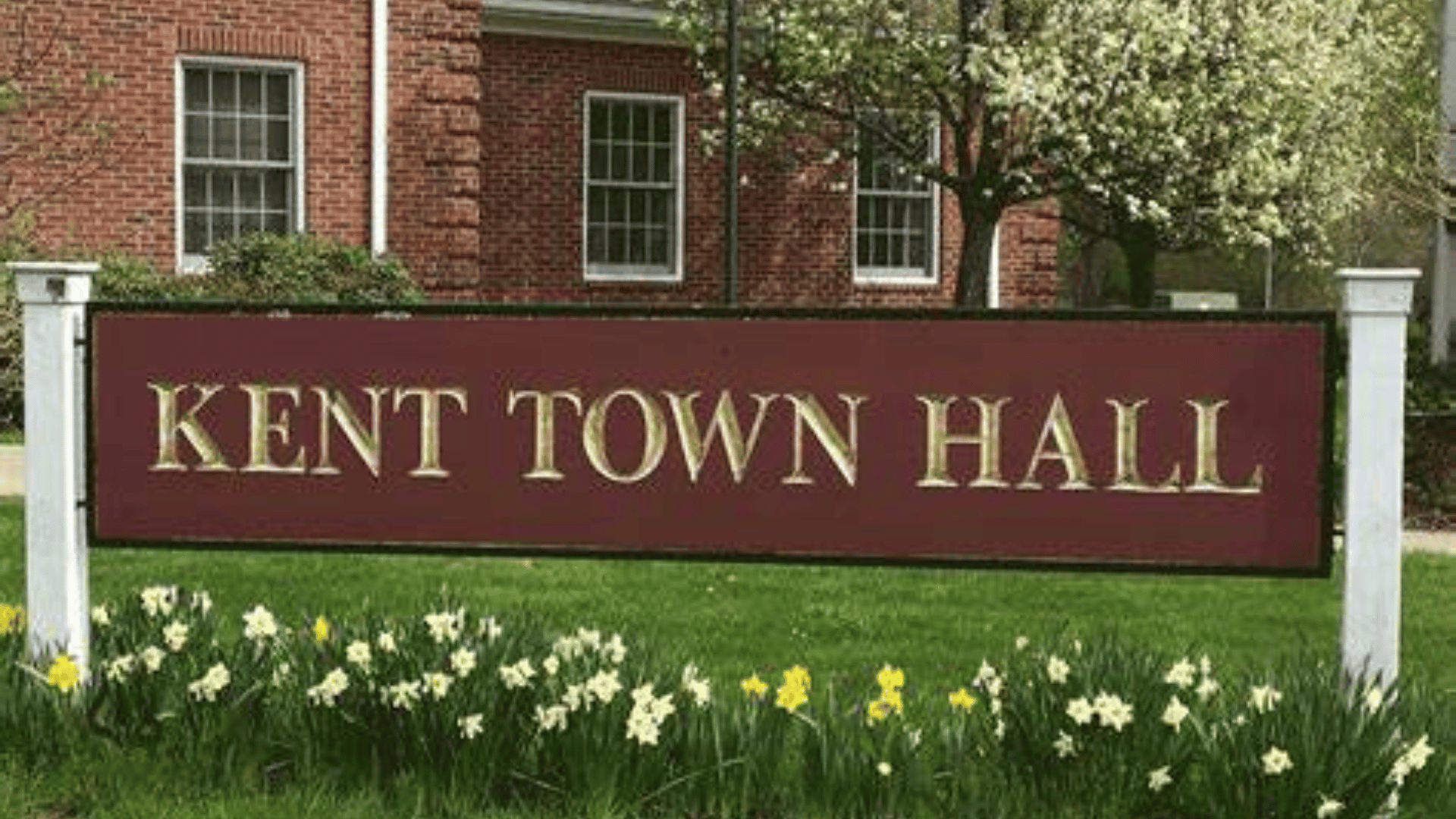
The proposed increase would affect residents of Kent, Lake Carmel and Kent Cliffs, with higher town property tax bills anticipated in January 2027 if the spending plan is adopted.
The project is part of New York State's broader initiative to identify underutilized publicly owned
By Real Estate In-Depth • November 19, 2026
The Metropolitan Transportation Authority (MTA) Board has approved a transaction to redevelop an underutilized transit property in Brooklyn into a mixed-use development featuring approximately 375 residential units, including 90 permanently affordable homes. Governor Kathy Hochul announced the approval on November 18, identifying EMP Capital Group, LLC, an affiliate of developer Elie Pariente, as the company selected to redevelop the MTA-owned property at 1119 Pacific St. in the Crown Heights neighborhood. The project is expected to generate $47 million for the MTA's capital program while adding approximately 8,000 square feet of commercial space and improvements to nearby transit infrastructure. The development will utilize both the existing property and air rights associated with the adjacent Franklin Avenue Shuttle right-of-way, allowing for a larger residential project than the parcel could accommodate independently.  The site was previously part of New York City Transit's Atlantic Avenue Cable Shop operations, which are being relocated to a modernized facility in East New York. The project was made possible through the 2025 Atlantic Avenue Mixed-Use District rezoning and represents the first publicly owned property to enter into a development agreement within the rezoned district. Approximately 90 apartments will be designated as permanently affordable under New York City's Mandatory Inclusionary Housing program. The development also includes a proposed additional staircase entrance at the Franklin Avenue subway station at Classon Avenue and Fulton Street, subject to city approval through the Zoning for Accessibility program. The program allows developers to obtain additional development rights in exchange for qualifying transit improvements. The project is part of New York State's broader initiative to identify underutilized publicly owned properties that can accommodate new housing development. The approved transaction demonstrates how publicly owned land and transit-related development rights can be used to expand housing opportunities while generating revenue for transportation infrastructure. Source: New York State Governor's Office, November 18, 2026 https://www.governor.ny.gov/news/governor-hochul-announces-approval-project-build-nearly-400-homes-underutilized-mta-property
By Real Estate In-Depth • November 19, 2026
The development will include 80 market-rate apartments and 19 income-restricted units available to households earning 80% of the area median income (AMI).
By Real Estate In-Depth • November 19, 2026
The proposed budget, presented by City Manager Wilfredo Melendez, represents an increase of approximately $6.4 million over the city's $256 million budget for 2026.
By Real Estate In-Depth • November 19, 2026
Empire City remains Yonkers' largest private employer and taxpayer, according to the company, with an annual payroll exceeding $90 million.
More