LIRR Strike Ends as MTA and Unions Reach Agreement
Long Island Rail Road service is expected to resume Wednesday afternoon after the Metropolitan Transportation Authority and five LIRR unions reached a labor agreement, ending a strike that disrupted transportation for hundreds of thousands of commuters across the New York metropolitan region.
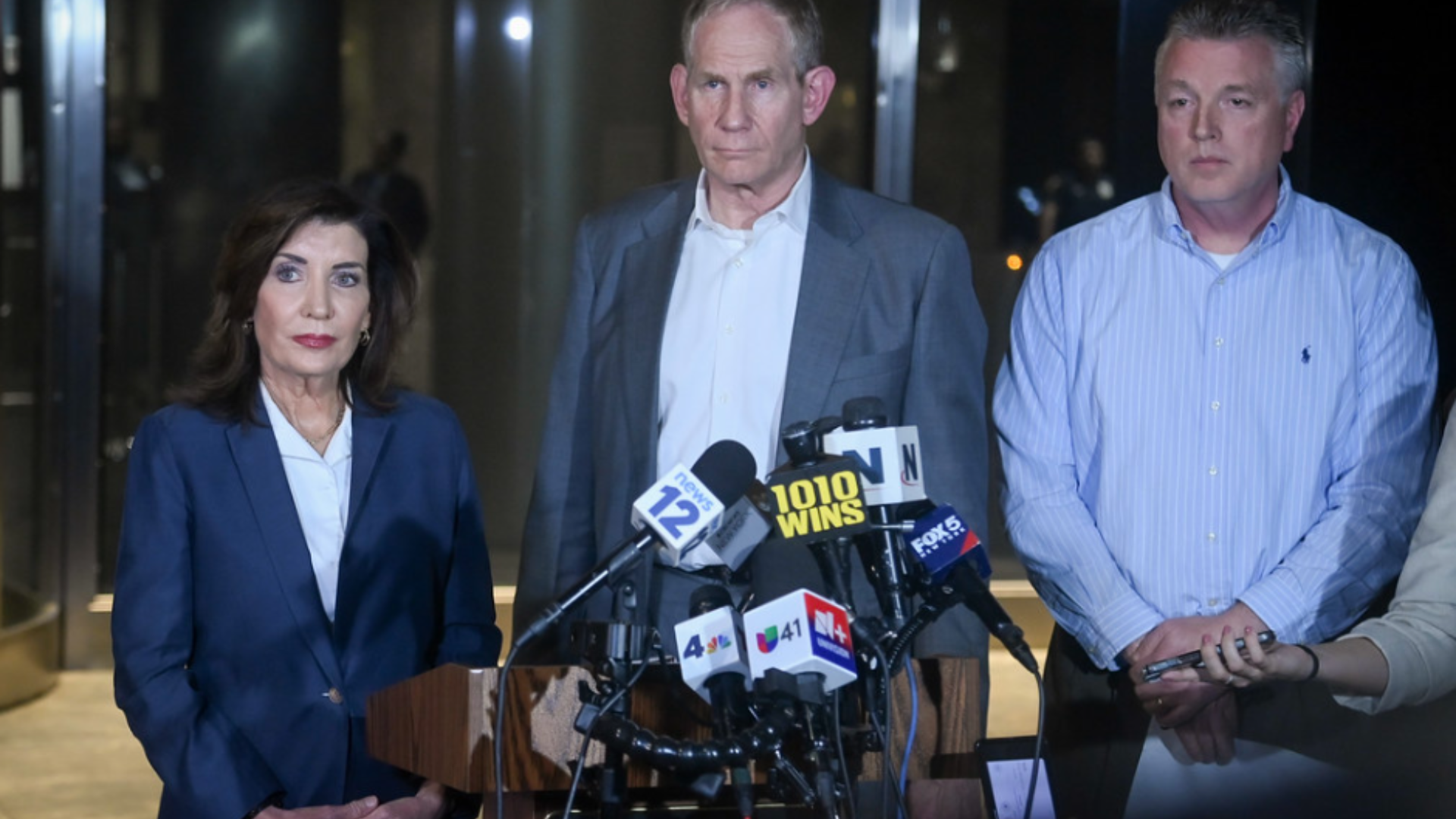
Governor Kathy Hochul announced the agreement Tuesday evening, calling the deal a fair compromise that balanced wage increases for workers while protecting affordability for Long Islanders and commuters.
“By working and negotiating together, we have reached that kind of deal,” Hochul said during a press briefing announcing the agreement. “I was not going to allow taxes or fares to go up.”
According to the Governor, the agreement covers approximately 3,500 Long Island Rail Road employees and does not require additional fare hikes or tax increases. Full LIRR service is expected to resume in time for the Wednesday evening rush hour.
The strike, which lasted several days, created significant disruptions throughout the region as commuters sought alternative transportation options including shuttle buses, subways, ferries, carpools, and remote work arrangements. State and MTA officials had implemented emergency transportation plans to help mitigate congestion and maintain mobility during the work stoppage.
Hochul praised both labor leaders and the MTA negotiating team for reaching a resolution, while also thanking commuters, employers, and transit workers for their flexibility and patience throughout the disruption.
“I deeply value and respect the hard work they do,” Hochul said of the rail employees. “Their work is critical for the entire region, and they deserve a fair wage.”
MTA Chair and CEO Janno Lieber and transit staff were also recognized for coordinating contingency plans that included expanded bus service and operational support across the transit system.
The temporary shutdown underscored the critical role commuter rail systems continue to play in the New York metropolitan economy and housing market. Transportation access remains one of the most influential factors impacting home values, commuter behavior, and buyer demand across suburban communities throughout Long Island, Westchester, the Hudson Valley, and New York City’s outer boroughs.
For many residents and real estate professionals, the quick resolution also highlighted the region’s ongoing dependence on reliable transportation infrastructure as hybrid work schedules and regional commuting patterns continue to evolve.
The timing of the agreement also ensures fans traveling to Manhattan for Game 1 of the Eastern Conference Finals at Madison Square Garden will be able to utilize rail service, a point Governor Hochul jokingly acknowledged during her remarks.