NYC Expands Coastal Resilience Efforts to Help Protect Homes, Businesses and Infrastructure
As climate-related flooding and severe weather events continue to impact coastal communities, New York City is making a significant investment to strengthen its long-term resilience strategy.
Mayor Zohran Mamdani recently announced a major expansion of the Bureau of Coastal Resilience, including a $43.2 million investment to grow the agency's capacity to plan, design, construct, and maintain flood protection infrastructure throughout the five boroughs.
The expansion will add nearly 70 engineers, planners, project managers, inspectors, and resilience specialists dedicated to advancing coastal protection projects that help safeguard neighborhoods, public infrastructure, and the city's housing stock.
For homeowners, REALTORS®, and communities along New York City's waterfront, the investment underscores the growing importance of resilience planning in protecting both people and property.
Strengthening Coastal Communities
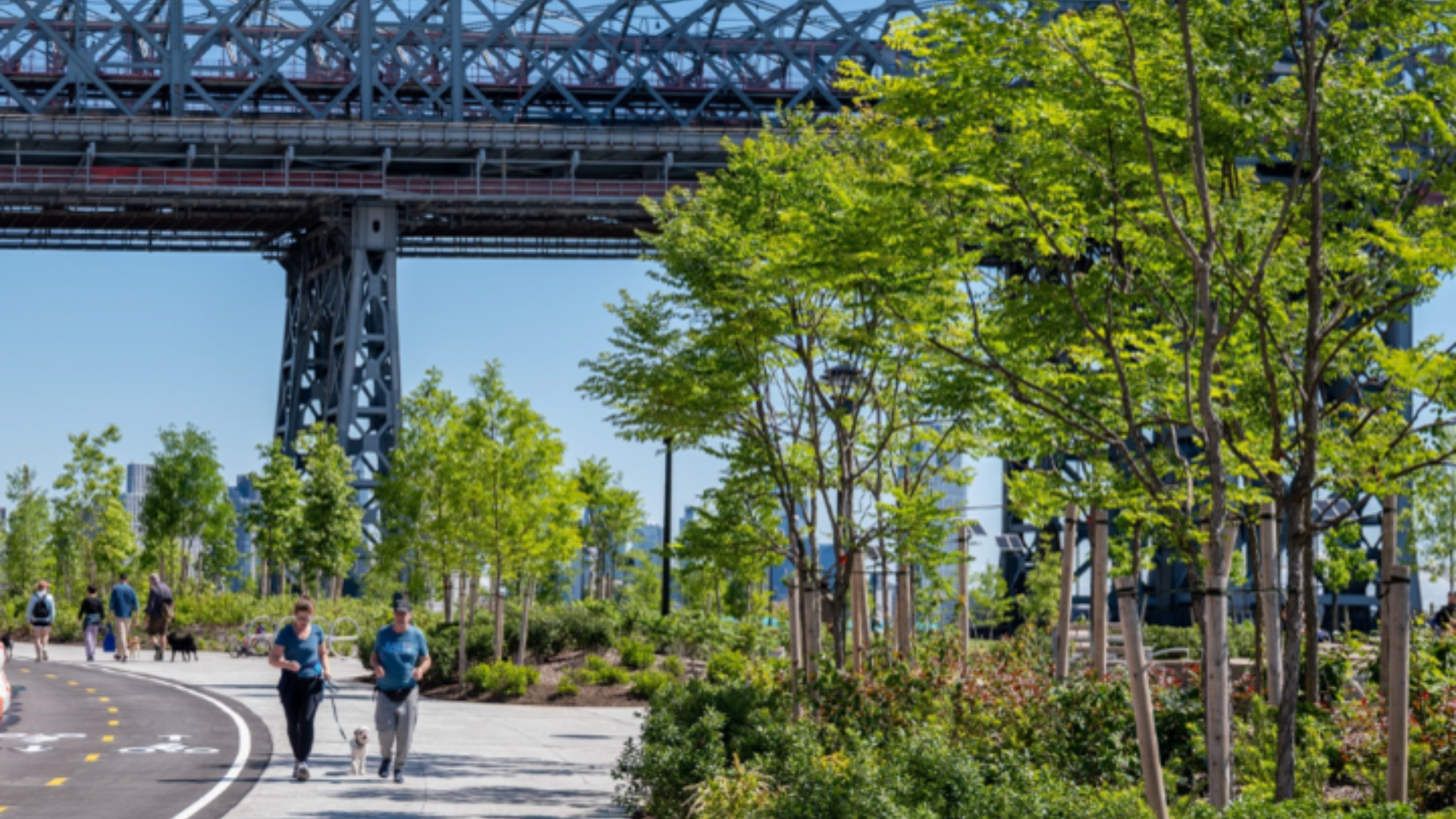
New York City's coastline stretches more than 520 miles, making many neighborhoods vulnerable to storm surge, tidal flooding, and the long-term impacts of sea level rise. Coastal resilience projects are designed to reduce those risks through infrastructure improvements such as floodwalls, shoreline stabilization, stormwater management, and other protective measures.
The expanded Bureau of Coastal Resilience will help accelerate these efforts while overseeing the design, construction, and long-term maintenance of critical flood protection projects.
Resilient infrastructure plays an increasingly important role in supporting stable housing markets and protecting long-term property values.
For REALTORS® and property owners, investments in flood mitigation can help strengthen community confidence, improve disaster preparedness, and support the long-term viability of neighborhoods located in flood-prone areas. Infrastructure improvements also complement broader efforts to preserve housing, protect public assets, and encourage responsible development in vulnerable locations.
As buyers become more aware of climate risks and resiliency features, investments in flood protection are becoming an increasingly important consideration in community planning and real estate decisions.
Looking Ahead
The expansion of the Bureau of Coastal Resilience reflects New York City's continued focus on preparing for future climate challenges while protecting residents, businesses, and public infrastructure.
As coastal communities across the region continue to adapt to changing environmental conditions, investments in resilient infrastructure will remain an important component of long-term housing stability, economic growth, and neighborhood sustainability.
For the real estate industry, these efforts reinforce the connection between resilient communities, strong infrastructure, and the continued health of New York's housing market.
Source: Office of the Mayor of New York City, "Mayor Mamdani Announces Major Expansion of the Bureau of Coastal Resilience."