
HUD Clarifies That Real Estate Agents May Share Crime and School Information With Clients
Real Estate In-Depth • April 28, 2026
The United States Department of Housing and Urban Development has issued new guidance confirming that real estate professionals may lawfully share information about neighborhood crime rates and school quality with prospective buyers and renters. The clarification arrives through a Dear Colleague letter sent to the industry, addressing long standing uncertainty among agents and brokerages about whether discussing these topics risks violating the Fair Housing Act.
HUD stated that providing factual information does not constitute unlawful steering when it is offered consistently and without intent to discriminate. Assistant Secretary for Fair Housing and Equal Opportunity Craig Trainor emphasized in the letter that intentional discrimination based on a protected characteristic is required for a Fair Housing Act violation. Sharing school or crime data in a uniform and unbiased manner does not meet that threshold.
Secretary Scott Turner underscored the significance of the guidance, noting that the home purchase process is one of the most consequential decisions a family makes. Turner said that families should not be left without essential information on matters such as neighborhood safety or school performance, and that real estate professionals should feel confident providing it openly and in compliance with federal law.
The new letter directs Fair Housing Assistance Programs not to issue discrimination findings solely because an agent provided objective information on these topics. Fair Housing Initiatives Programs are likewise advised that federal funds should not be used to pursue related complaints.
The clarification responds to concerns that emerged in recent years, during which some listing platforms and brokerages restricted the sharing of neighborhood data. These restrictions were often implemented out of caution rather than legal requirement, with many industry professionals expressing concern about potential liability.
HUD’s updated position reiterates that transparency and fair housing protections are compatible. Access to accurate information supports consumer choice and allows families to evaluate whether a home meets their needs for affordability, safety, and educational opportunity.
The agency notes that equipping buyers with factual neighborhood information aligns with its broader mission to expand access to safe, decent, affordable, and fair housing. HUD’s Dear Colleague letter from the Office of Fair Housing and Equal Opportunity can be viewed on HUD.gov.

Westchester County has earned recertification as a Bronze Climate Smart Community, marking another step forward in its long-term commitment to sustainability and climate resilience. The New York State Department of Environmental Conservation’s Climate Smart Communities program evaluates local governments on actions that cut emissions, strengthen infrastructure, and prepare for climate risks. Westchester’s renewed status shows meaningful progress across all these areas. County Executive Ken Jenkins emphasized that the work behind the certification is part of a broader strategy to make Westchester stronger and more resilient for years to come. He noted that protecting the environment goes hand in hand with ensuring that communities and infrastructure are ready for the challenges brought on by a changing climate. Director of Energy Conservation and Sustainability Peter McCartt highlighted the steady, practical improvements underway across the county. Collaboration with municipalities has been central, as local partnerships help accelerate projects that reduce emissions and improve community preparedness. Westchester’s ongoing sustainability efforts span a range of initiatives. The county continues to upgrade the energy performance of public buildings, support the development of renewable energy, and advance planning that addresses risks such as flooding, storm impacts, and extreme heat. These investments not only reduce long-term costs but also help protect neighborhoods and essential services. The recertification underscores Westchester County’s role as a regional leader in climate action. With more than one million residents and a mix of urban centers, small towns, and natural landscapes, the county’s approach reflects both its environmental responsibility and its focus on long-term quality of life. As Westchester continues to expand clean energy, strengthen resilience, and encourage sustainable development, the region moves closer to a future that is both environmentally responsible and economically strong. Orange and Putnam Counties are also Bronze Climate Smart Communities, with certifications valid through September of 2029. Learn more about Westchester County at westchestercountyny.gov .
The transaction is expected to close in the second half of 2026, subject to customary closing conditions, regulatory approvals and approval by each company’s shareholders.
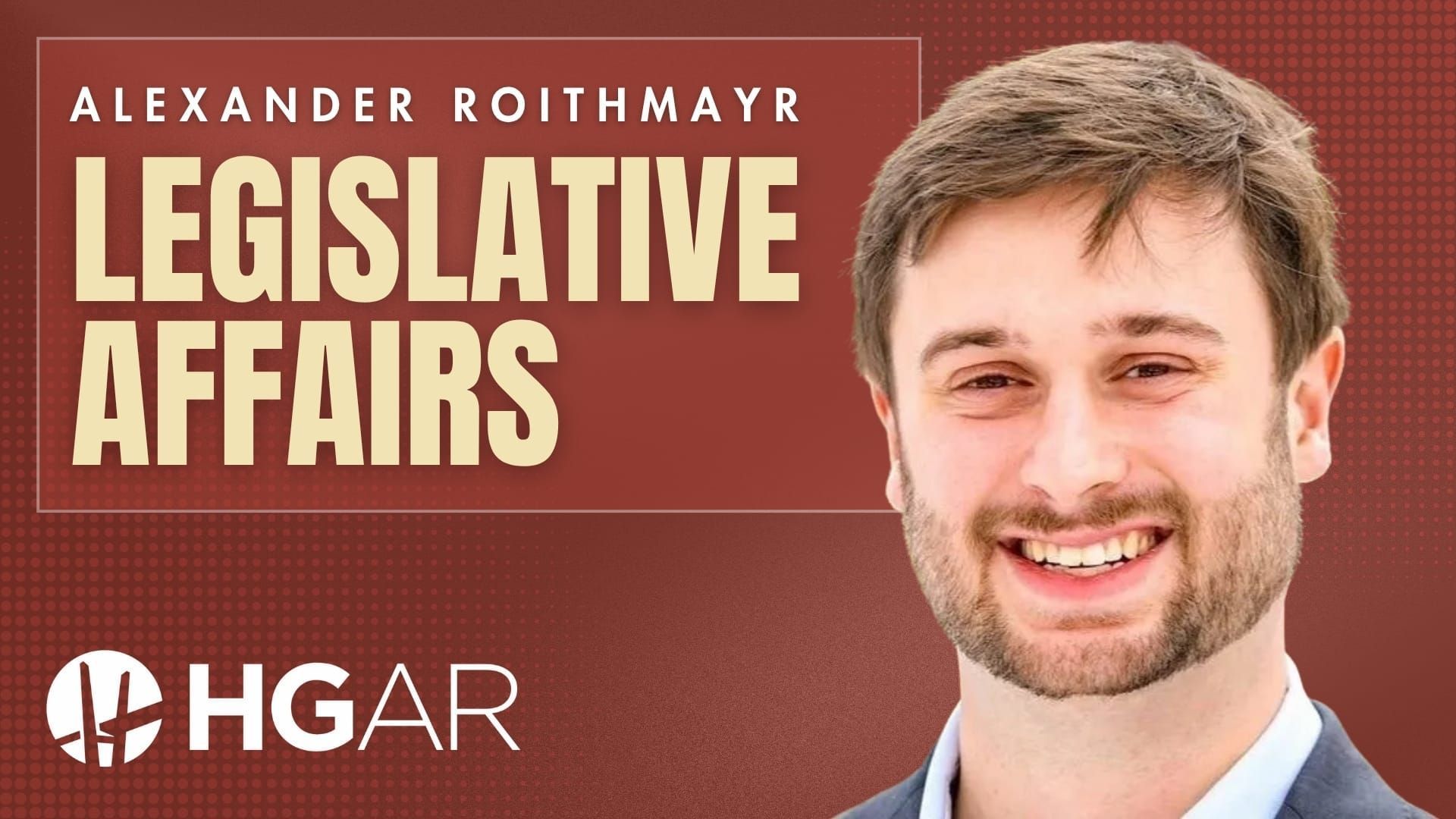
HGAR’s advocacy centered on eight key issues spanning REALTOR® practice, fair housing, and policies aimed at strengthening homeownership and expanding housing supply.

High home prices, limited inventory, and elevated mortgage rates have made it more difficult, particularly for first-time buyers, to enter the market.
Bronx Week has historically highlighted everything that makes the Bronx unique: its diversity, entrepreneurial energy, and deep sense of community.

New York State recently announced the groundbreaking of Westchester Crossing, a major infrastructure investment on the former United Hospital site in Port Chester.
