
HGAR-Funded Microtransit Study Reveals Key Findings
March 7, 2025
Join Hudson Valley Pattern for Progress for a March 13 Virtual ‘Lunch and Learn
White Plains, NY
(March 2025) Hudson Valley Pattern for Progress will present key findings from a Microtransit Study, funded by the Hudson Gateway Association of REALTORS® (HGAR) through a grant from the National Association of REALTORS® (NAR), at a virtual ‘Lunch and Learn’ on March 13 at noon. To register for this free event, please
click here.
The study provided a detailed analysis about the need for public transportation throughout the Hudson Valley and how demand-response microtransit could make transportation available to more people, in more places and more often.
"As a Realtor Association, our reason for funding this study was to explore more transportation options for residents living in areas that may not be accessible to major public transportation,” said Lynda Fernandez, HGAR CEO. “Expanding Microtransit options strengthens community connections by providing affordable, flexible transportation, making it easier for people to access jobs, schools, and essential services. By improving mobility, these systems open up new areas for housing development, reduce pressure on urban centers, and offer a practical solution to the housing crisis—ensuring more people can live where they thrive."
Microtransit is an emerging approach to transportation, offering on-demand service to commuters. Generally, it involves a fleet of vehicles responding to ride requests within a defined service area. These vehicles are commonly smaller than typical fixed-route buses.
Microtransit systems rely on technology to create easy access for requesting rides and ensuring that routes and pickups are handled efficiently in a shared vehicle. The system responds to ride requests as they are received through smartphone apps and telephone calls, and then plans routes, pickups, and drop-offs anywhere within that geographic service area.
During the Lunch & Learn on March 13, panelists will explain that the report indicates the Hudson Valley is an ideal area for Microtransit since in parts of the region, public transportation runs infrequently, is too far to access, or does not exist. Many living in the Hudson Valley -- especially the aging population – may not have access to a personal vehicle and thus rely on public transportation.
“For those who rely on buses and the like, accessing everyday destinations such as work, school, the grocery store, or medical facilities can be very difficult, time consuming, and may require planning weeks in advance,” the report states.
According to the U.S. Census Bureau’s 2022 report, over 14% of Westchester County households do not have access to a vehicle. In Rockland and Ulster counties, that number is almost 10% and stands at 8.6% in Green and Orange counties.
Proponents of Microtransit systems believe their flexibility can also provide cost savings, compared to many fixed route systems with low ridership. In addition, Microtransit may be more environmentally friendly, as it relies on smaller vehicles and more efficient routes. It also can improve access for individuals with disabilities.
Hudson Valley Pattern for Progress is a nonprofit organization that provides objective research, planning, and educational training throughout the region. Its work identifies civic challenges and promotes regional, equitable, and sustainable solutions to constantly improve the quality of life in Hudson Valley communities.
Pattern was founded in 1965 by the region’s academic, business, and nonprofit leaders. It serves a nine-county region that includes Columbia, Dutchess, Greene, Orange, Putnam, Rockland, Sullivan, Ulster, and Westchester counties. Visit Pattern-For-Progress.org. Follow on Facebook, Instagram, and LinkedIn @PatternForProgress, and on Twitter @HVPattern.
The Hudson Gateway Association of REALTORS® is a not-for-profit trade association consisting of over 13,000 real estate professionals doing business in Manhattan, the Bronx, Westchester, Putnam, Rockland, and Orange counties. It is the second largest REALTOR® Association in New York, and one of the largest in the country.

While inventory levels varied across the county, buyers remained engaged, particularly for homes that offer quality, location, and thoughtful presentation.

Across the Hudson Valley, there are a number of races worth watching, including the Putnam County Executive race and the contest for New York’s 17th Congressional District.

The summit comes as Orange County and the Hudson Valley continue to navigate changing economic conditions, infrastructure needs and demand for housing and commercial development.
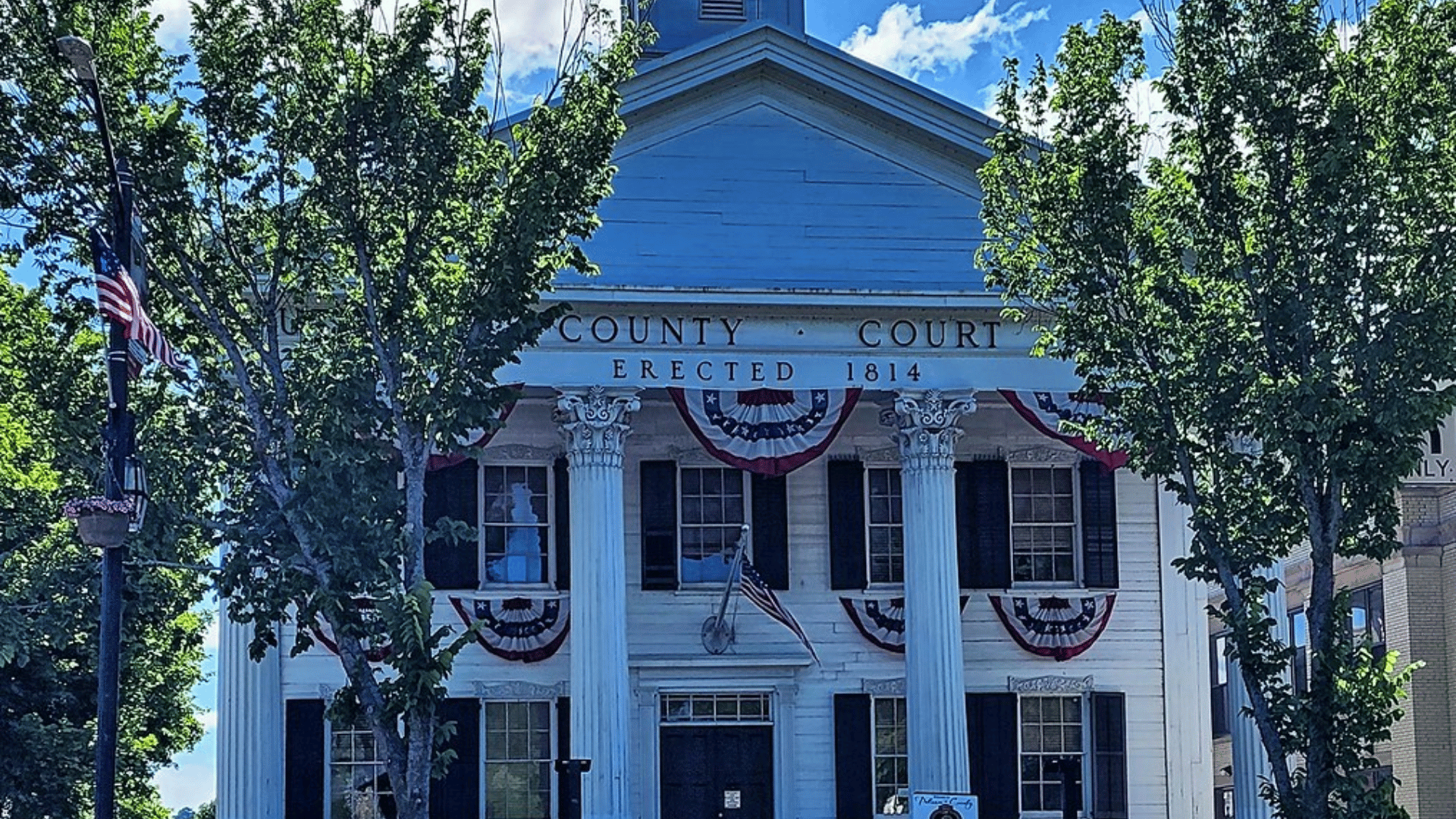
The proposed reduction represents a decrease of more than 14% in the county property tax levy and would bring the county tax rate to approximately $2.04 per $1,000 of full property value.
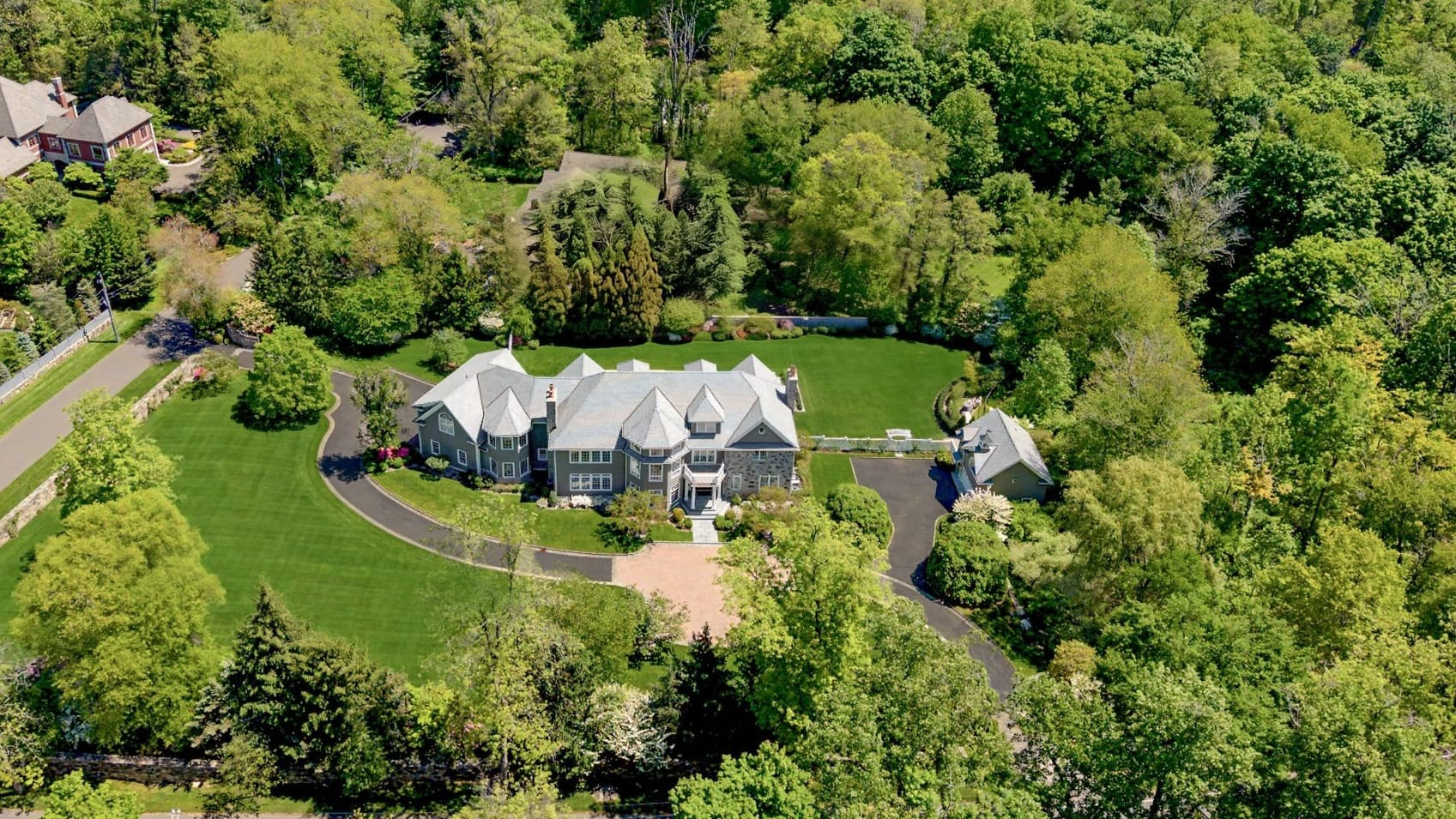
In New York, the luxury market showed particularly strong momentum. Westchester County, at the $2 million-and-above level, recorded increases in both home sales and prices.
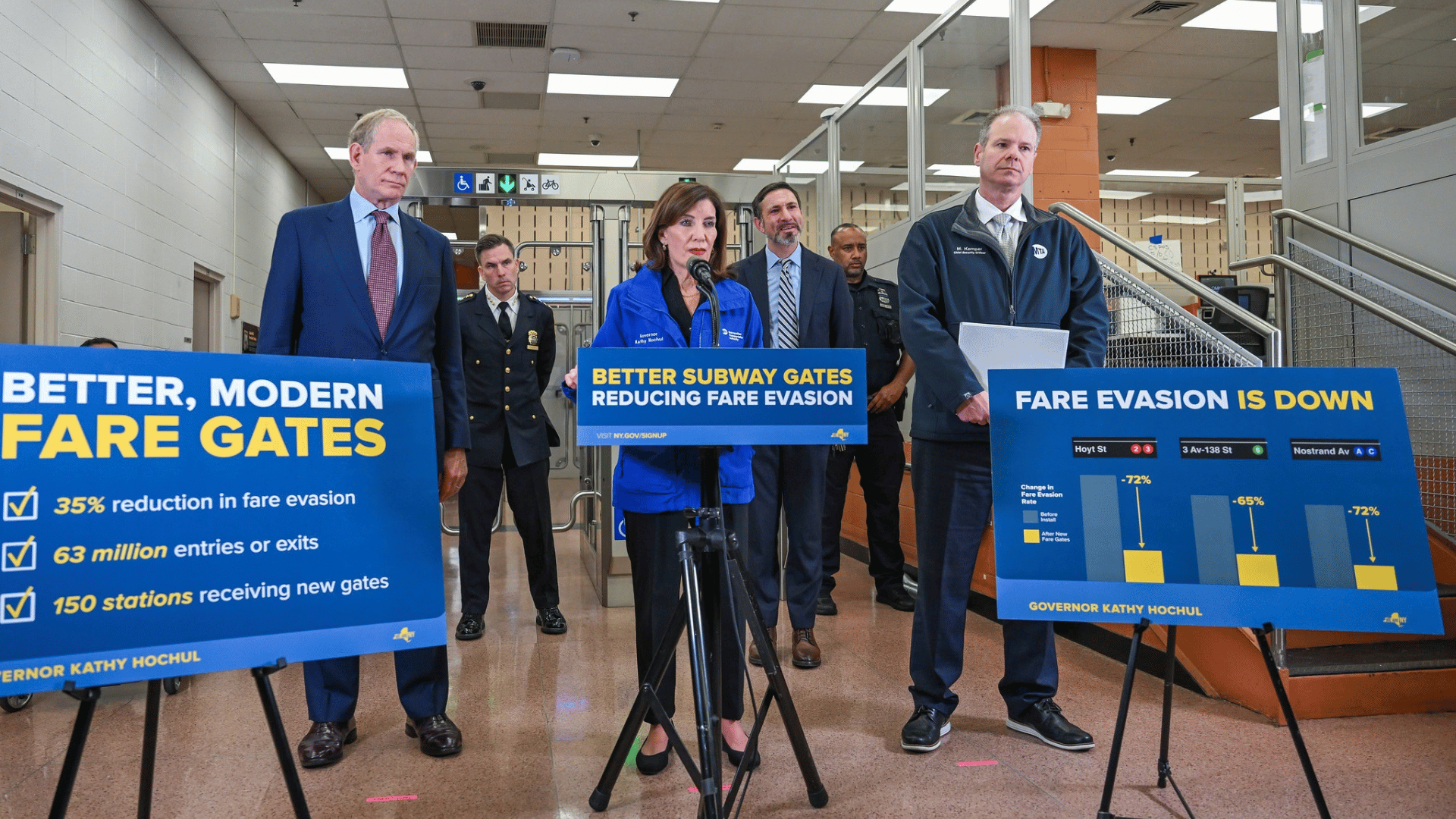
The initiative is part of the MTA’s 2025–2029 Capital Plan and a $1.1 billion investment to modernize fare control areas at 150 subway stations.
