Report: NYC Rents Have Skyrocketed: Bronx Rent Up 61% Since 2019
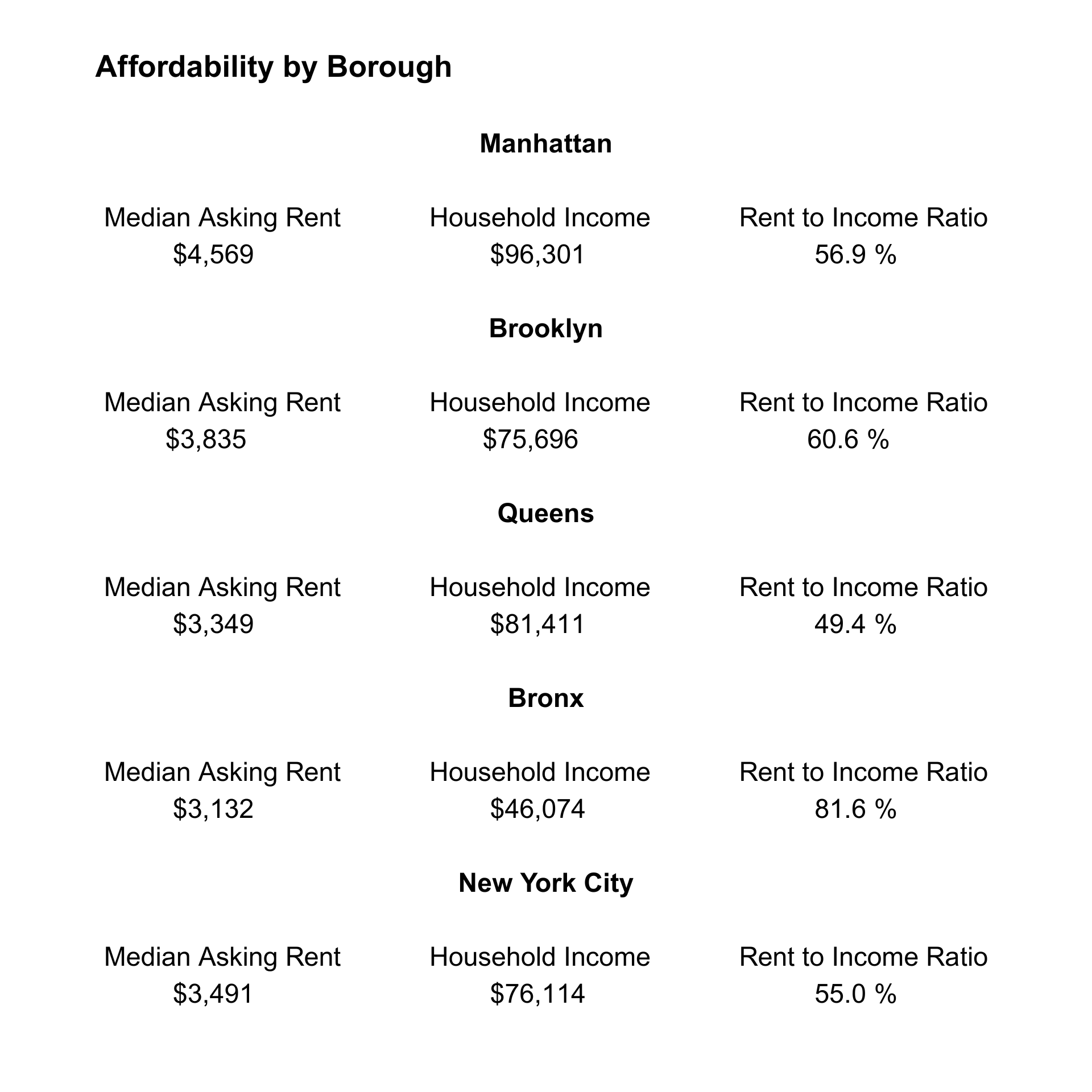
AUSTIN, TX— A recently released analysis from Realtor.com paints a startling picture of New York City's rental market. The median asking rent in New York City accounted for 55% of a typical household income in the second quarter of 2025, almost 10% above the national median in the for-sale market, which sits at 44.5% and more than double the recent share for typical renters across the U.S.
Across the boroughs, renters feel a similar, if not worse, strain. In the Bronx, the rent-to-income ratio sits at a staggering 81.6%, while in Brooklyn the figure is 60.6%. It's 56.9% in Manhattan, and 49.4% in Queens; this highlights the premium that many are willing to pay to live in the Big Apple and how many of the city's renters are being priced out of even historically lower-cost areas.
“In the Bronx, rent now eats up about 82% of a typical household income, nearly triple the recommended standard of 30%. Even if rents were frozen today, it would still take two decades of steady income growth to restore affordability,” said Danielle Hale, chief economist at Realtor.com. “New Yorkers can't wait decades to meaningfully close this gap. Housing supply has already featured prominently in this year's mayoral race. These figures underscore why the city's mayoral candidates must have a credible, multi-faceted plan to tackle housing supply if they hope to be elected to lead the city in the fall."
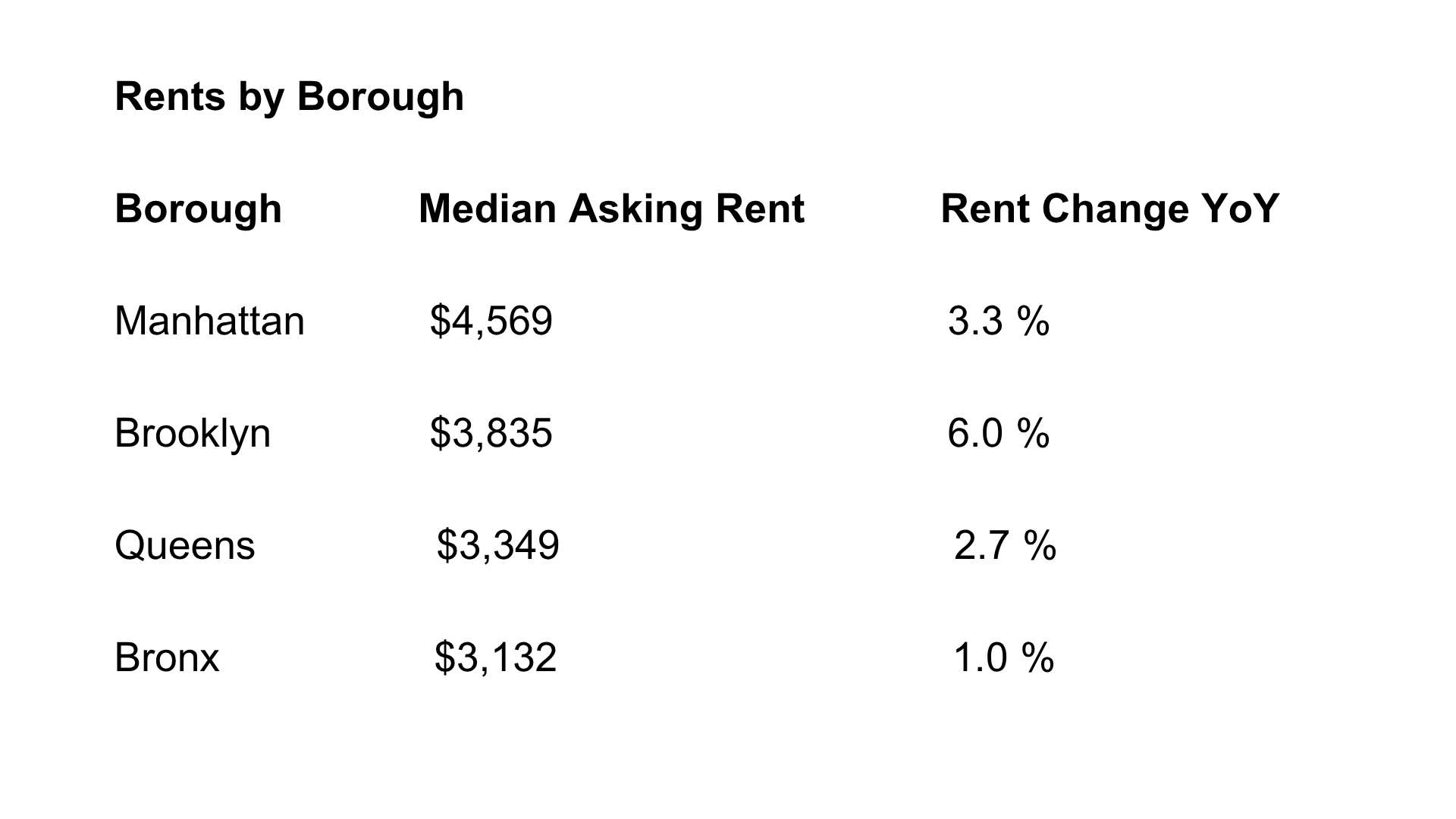
In the Bronx, rents increased a staggering 61.4% over the last six years, marking the largest jump of any borough. Renters there are looking at a median asking rent of $3,132, nearly $2,000 more than the max affordable rent under current income, which is $1,152. In Brooklyn, rent increased 40.8% in the last six years, and the median asking rent is $3,835, while the max affordable rent under current income is $1,892.
The data underscores a reality that's influencing political momentum around housing, and a notable driver of Zohran Mamdani's upset victory in the Democratic NYC mayoral primary. With renters now making up a record 70% of households, New Yorkers are demanding urgent solutions as affordability deteriorates across all boroughs.
This deepening crisis means that without interventions aimed at significantly ramping up affordable housing supply, the city's affordability gap could linger for generations. Even holding rents flat at today's levels, it would still take 12-20 years of steady income growth for costs to drop to the widely accepted 30% rent-to-income standard, the report stated.
It's a challenge that echoes beyond city limits: according to the recent Realtor.com State Affordability Report Cards, New York State as a whole earned a "D" grade, placing it among the least affordable states nationwide and underscoring just how widespread and entrenched this crisis has become.
New York City rental data as of the second quarter of 2025 for all units advertised as for rent on Realtor.com. Rental units include apartments as well as private rentals (condos, townhomes, single-family homes). To calculate the median asking rent for each quarter, Realtor.com first obtains the median asking rent for each month within that quarter and then takes the average of the three months. Data for Staten Island is currently under review.