House Passes Bipartisan Housing Bill Aimed at Expanding Supply and Affordability

The U.S. House of Representatives has passed a modified version of the 21st Century ROAD to Housing Act, a sweeping bipartisan housing package designed to address the nation’s ongoing housing affordability crisis. The legislation passed by an overwhelming 396-13 vote and now heads back to the Senate for further consideration.
The bill focuses heavily on increasing housing supply by streamlining federal processes that often delay development, reducing regulatory barriers, and encouraging new housing construction. It also modernizes financing options for manufactured and rural housing, expands access to credit, and promotes homeownership opportunities for veterans and first-time buyers.
One of the most closely watched aspects of the legislation involves restrictions on large institutional investors purchasing single-family homes. While earlier Senate language would have required major investors to divest certain rental holdings within seven years, the House version softened those provisions after pushback from lawmakers and industry groups. The revised bill instead limits additional acquisitions by companies that own large numbers of single-family homes.
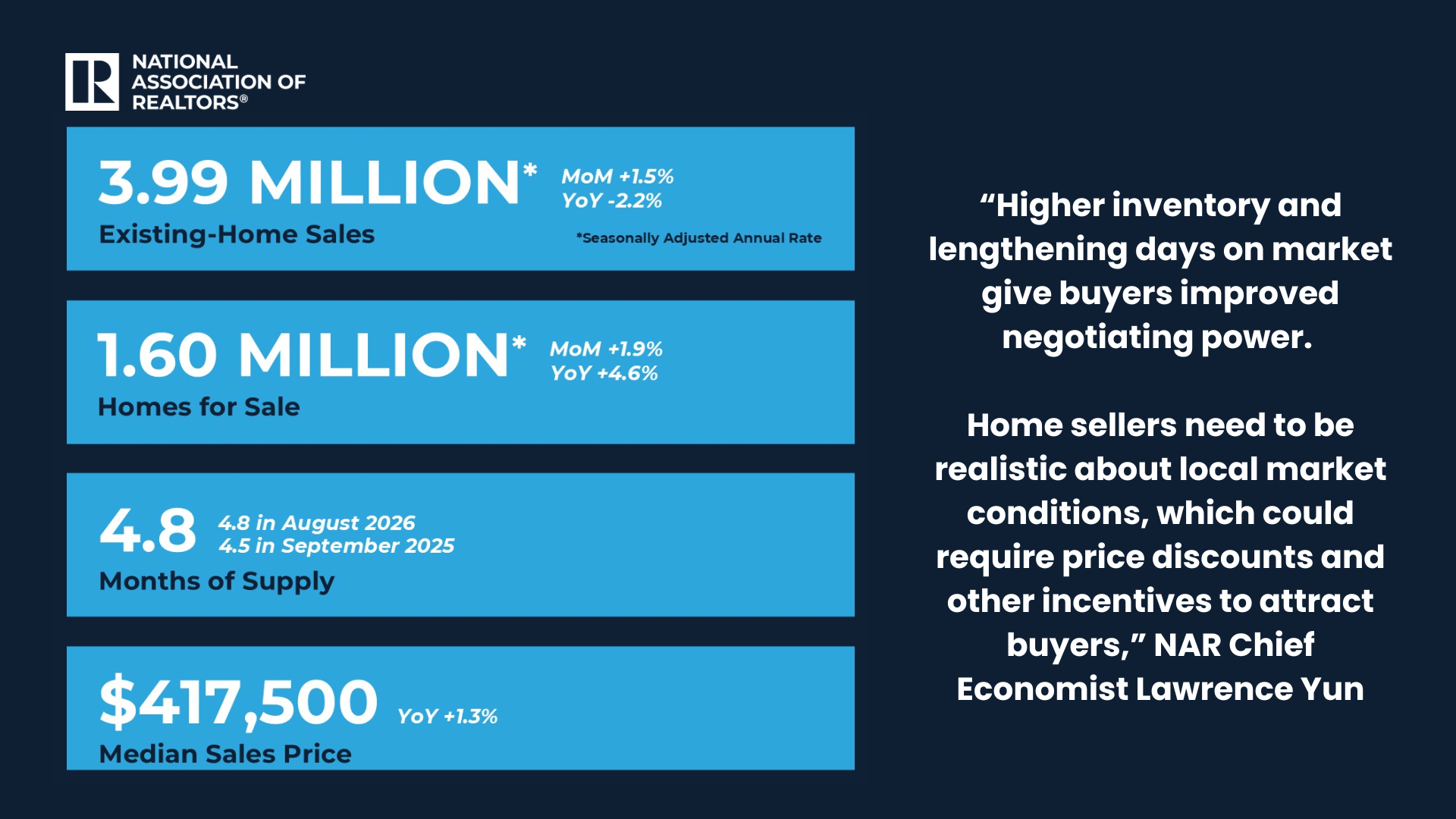
The National Association of REALTORS® strongly supported the legislation, calling it a meaningful step toward restoring affordability and expanding the dream of homeownership. NAR cited research showing the country faces a shortage of nearly five million homes, while the median age of first-time buyers has climbed to 40 years old.
House leaders from both parties praised the bill as a rare example of bipartisan cooperation on one of the country’s most pressing economic challenges. Supporters say the legislation could help lower costs for consumers by making it easier and faster to build housing, while also opening new pathways to ownership for working families.
Although the bill received broad bipartisan support in both chambers, its final path forward remains uncertain as the Senate reviews the House amendments. Lawmakers are expected to continue negotiations over investor restrictions and other provisions before the legislation can reach the president’s desk.