Governor Signs Bill Requiring Disclosure of Flood Risk, History by Home Sellers
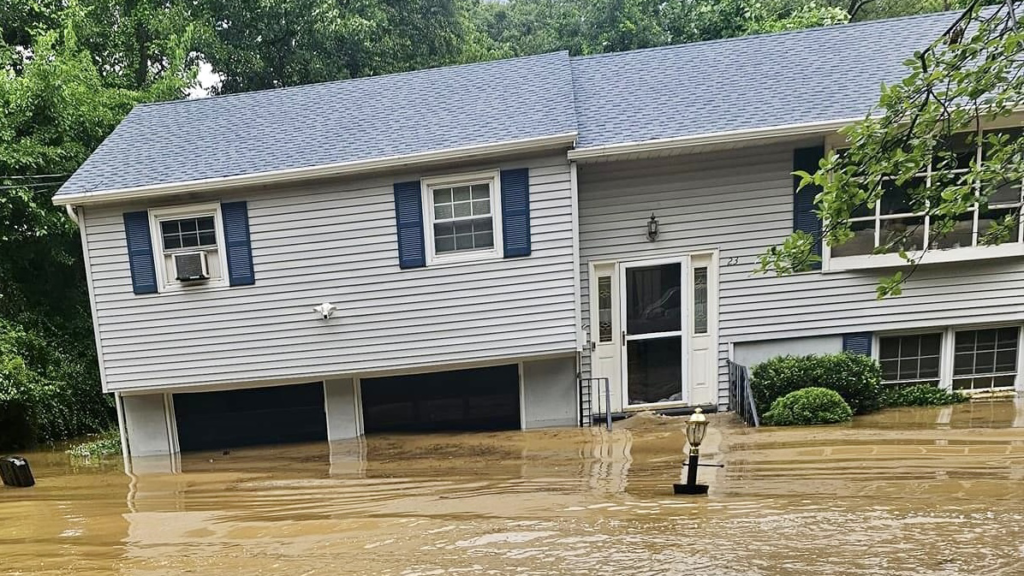
ALBANY—New York Gov. Kathy Hochul signed a bill on Friday, Sept. 22 that requires home sellers to inform home buyers as to whether a property is located in a flood risk area or has previously flooded.
The governor signed legislation (A.1967/S.5400) which establishes a flood risk “right to know” for homebuyers. Previously sellers could opt that the buyer get a $500-credit at closing and the disclosure requirement was waived. The new law eliminates the “credit provision” and requires the disclosure of information concerning flood risk, flood history, and flood insurance on real property transactions. According to a Flash Update issued by the New York State Association of Realtors on Sept. 25, the new law will go into effect on March 20, 2024
NYSAR reported that Chapter 484 of the Laws of 2023 adds seven questions to the Property Condition Disclosure Statement (PCDS) related to the property’s flood status and experience.
In June, the bill passed the Assembly by a 106-38 margin and the State Senate by a 42-21 margin. The bill was delivered to the governor on Sept. 19. The Senate Flood Risk Disclosure bill was sponsored by State Senator Brad Hoylman-Sigal (D-WF 47th District), while the Assembly legislation was sponsored by Robert Carroll (D-WF 44th District).
The governor also signed a bill that amends the environmental conservation law to require the Department of Environmental Conservation to authorize and encourage the use of nature-based solutions to stabilize tidal shorelines in the state and provides such solutions should be considered when promulgating and implementing rules and regulations
Hudson Valley state lawmakers, as well as leaders in the environmental community hailed the newly signed bills aimed to protect New Yorkers from the increasing instances of extreme flooding and the damage caused by these storms.
State Senator Shelley B. Mayer said, “After Hurricane Ida, many constituents reached out to me for assistance with flood damage. I was happy my office could help individuals, but the systemic impact of climate change requires much more. In the face of increased risk of flooding and climate change related hazards, it is critical we take proactive measures. Living shorelines can protect against flooding, improve water quality, and strengthen our resilience. I thank Governor Kathy Hochul for signing this important legislation into law. I also thank my colleague Assemblyman Steve Otis for championing this legislation in the Assembly, and Save the Sound and Riverkeeper for their work inspiring this bill in their efforts to combat climate change and for working with my office on this legislation.”
Assemblymember Steven Otis said, “Living shoreline principles are vital to improving coastal resilience, reducing flood impacts, preventing shoreline erosion and protecting natural habitats. Thanks go to Governor Kathy Hochul, the NYS Department of Environmental Conservation, Riverkeeper, The Nature Conservancy, Save the Sound and other environmental groups who support these important policies. This is important legislation for coastal communities that will help advance nature-based policies at a time when sound practices are needed.”
Riverkeeper Senior Manager of Government Affairs Jeremy Cherson said, “Governor Hochul’s signature of the Living Shorelines Act and Flood Risk Disclosure legislation marks a major step forward for climate resilience in New York State. Responsible management of shorelines along tidal waterways, as envisioned in the Living Shorelines Act, will help ensure that permitting decisions support natural shorelines that provide habitat for wildlife as well as flood protections for communities. With Flood Risk Disclosure, New York will increase transparency around climate risk in our real estate market, empowering home buyers with information about the flood risk to their potential property.”
Save the Sound Vice President of Water Protection David Ansel noted, “After several years of work, we’re thrilled to see the Living Shorelines and Flood Disclosure bills become law. The governor’s signature and the overwhelming support in the legislature show New York’s leaders understand that we must take action to adapt to the stronger storms and rising sea levels of climate change. Using natural features such as native marsh grasses and shellfish reef instead of hardened structures like seawalls benefits shoreline communities, wildlife, and water quality. Ensuring transparency about flood risks helps individuals and communities make wise decisions for their futures. We thank Governor Hochul and the bills’ sponsors for their leadership. Now we look forward to working with partners across the region to these bills’ promise into healthier, more resilient coastlines and communities.”