Five Key Developments in NYC Housing and Real Estate

New York City’s housing landscape is experiencing a series of noteworthy policy and market developments, from city-led housing initiatives to state-level regulatory reforms. These updates highlight shifts in supply, affordability pressures, and large-scale development proposals shaping the city’s residential real estate environment.
Expanding Accessory Dwelling Units
Mayor Zohran Mamdani has introduced the “ADU for You” program, designed to streamline the creation of accessory dwelling units (ADUs) across the city. The initiative provides pre-approved designs and financing options for homeowners seeking to add units such as backyard cottages or in-law apartments. This effort represents a strategic approach to increasing incremental housing supply without major rezonings, reflecting a city-wide push to encourage owner-built, small-scale housing solutions.
Historic Statewide Low Housing Inventory
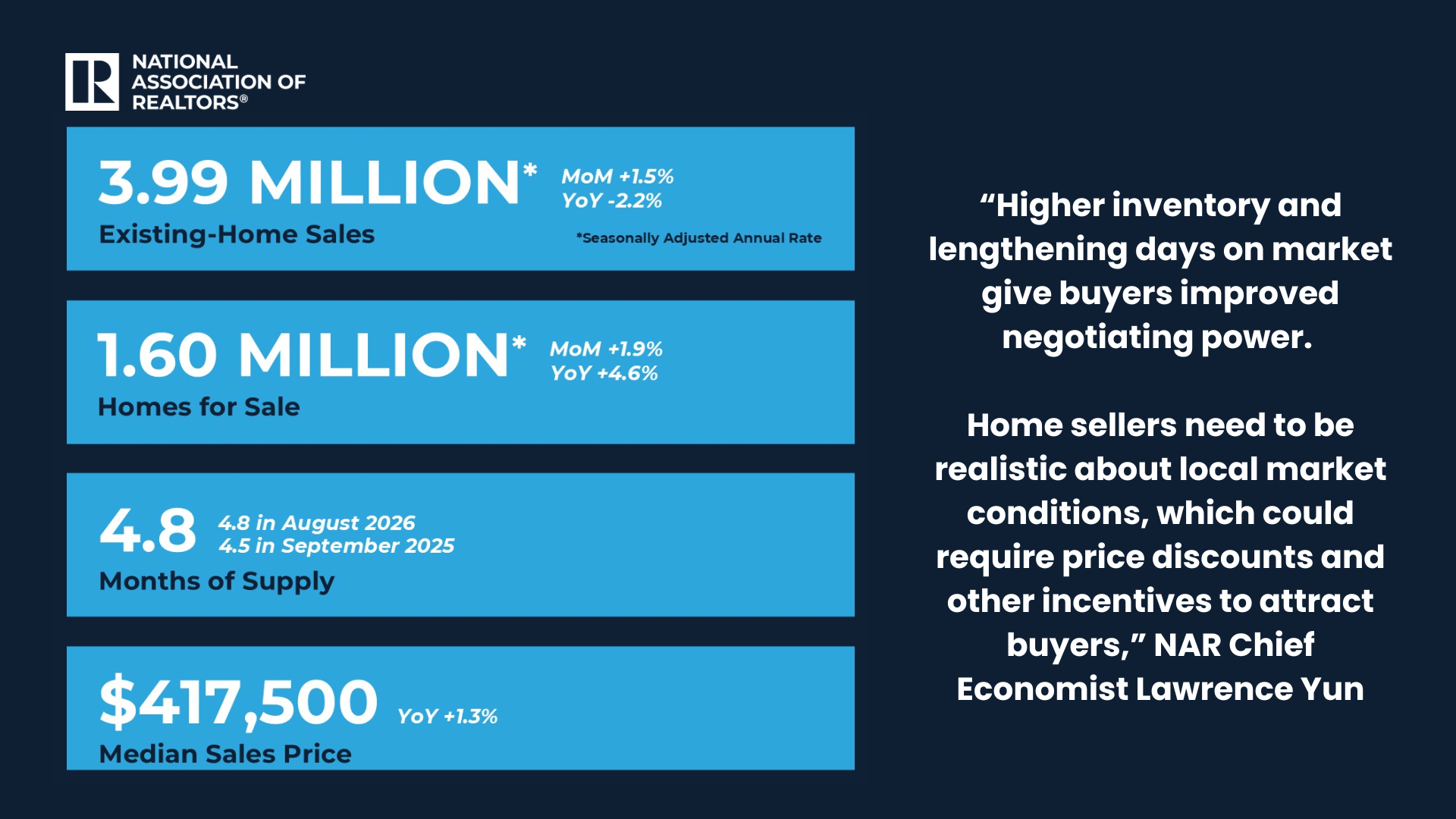
Statewide, housing inventory has reached levels not seen in more than three decades, with approximately 22,000 homes currently active for sale. This constrained supply is contributing to heightened market competition and sustaining upward pressure on prices. The scarcity of available listings has implications for pricing dynamics, market liquidity and the pace of transactions in both the residential and investment sectors.
Rising Manhattan Rents
Data indicates that median rents in Manhattan have surged to $5,000, marking an all-time high. Despite ongoing rent stabilization policies and discussions around potential rent freezes, market pressures continue to drive rent increases. These trends underscore the persistent affordability challenges facing tenants and the broader debate over regulatory approaches in high-demand urban markets.
Sunnyside Yard Development Proposal
Mayor Mamdani has also presented a proposal to construct approximately 12,000 housing units at Sunnyside Yard in Queens. If realized, this development would become one of the largest residential projects in recent New York City history, incorporating mixed-income units and community benefit considerations. The proposal exemplifies the city’s efforts to leverage public land for large-scale housing production while navigating complex planning and approval processes, including ULURP and community engagement.
State-Level ‘Let Them Build’ Reforms
At the state level, Gov. Kathy Hochul’s “Let Them Build” initiative is gaining momentum. This agenda seeks to streamline environmental reviews and reduce development delays, potentially shortening project approval timelines and mitigating entitlement risks. The reform is intended to facilitate faster housing production statewide, balancing growth objectives with environmental and community considerations.
Conclusion
These developments reflect a dynamic period for New York City and state housing policy. From innovative approaches to incremental supply, like ADUs, to major development proposals and regulatory reforms, the combination of market and policy shifts is reshaping the city’s real estate environment. Observing these trends is critical for stakeholders seeking a comprehensive understanding of the factors influencing housing supply, affordability and urban development.
About the author: Dr. Jermaine Meadows is the Director of Government Affairs for the Bronx and Manhattan for the Hudson Gateway Association of Realtors.