From Crisis to Conversion: What Yonkers’ $35M Housing Upgrade Signals for the Future of Multifamily Real Estate
A major infrastructure failure at a Yonkers housing complex is now driving one of the region’s most significant electrification projects—offering a real-time case study in how aging buildings, public policy, and housing operations are beginning to intersect.
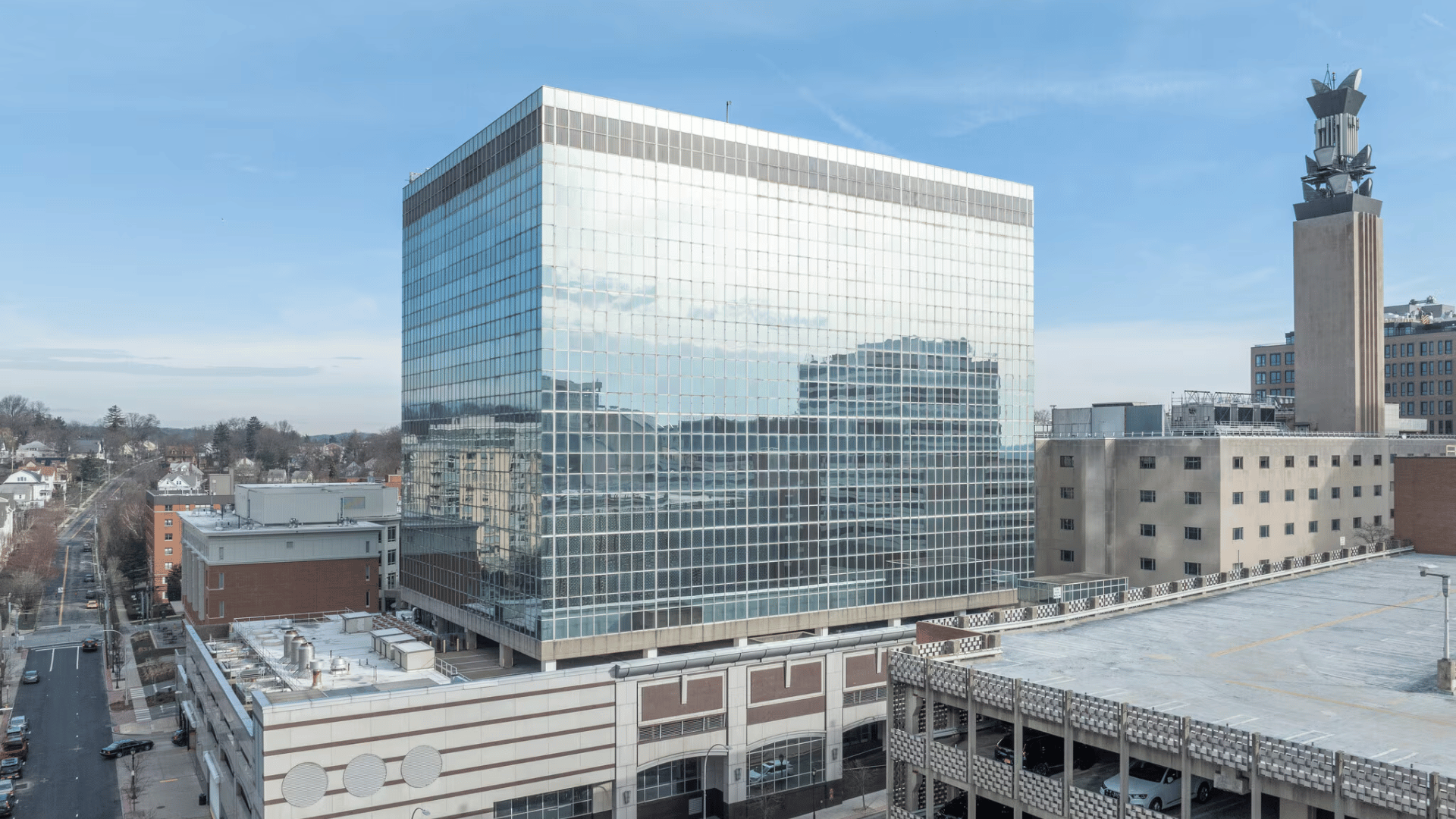
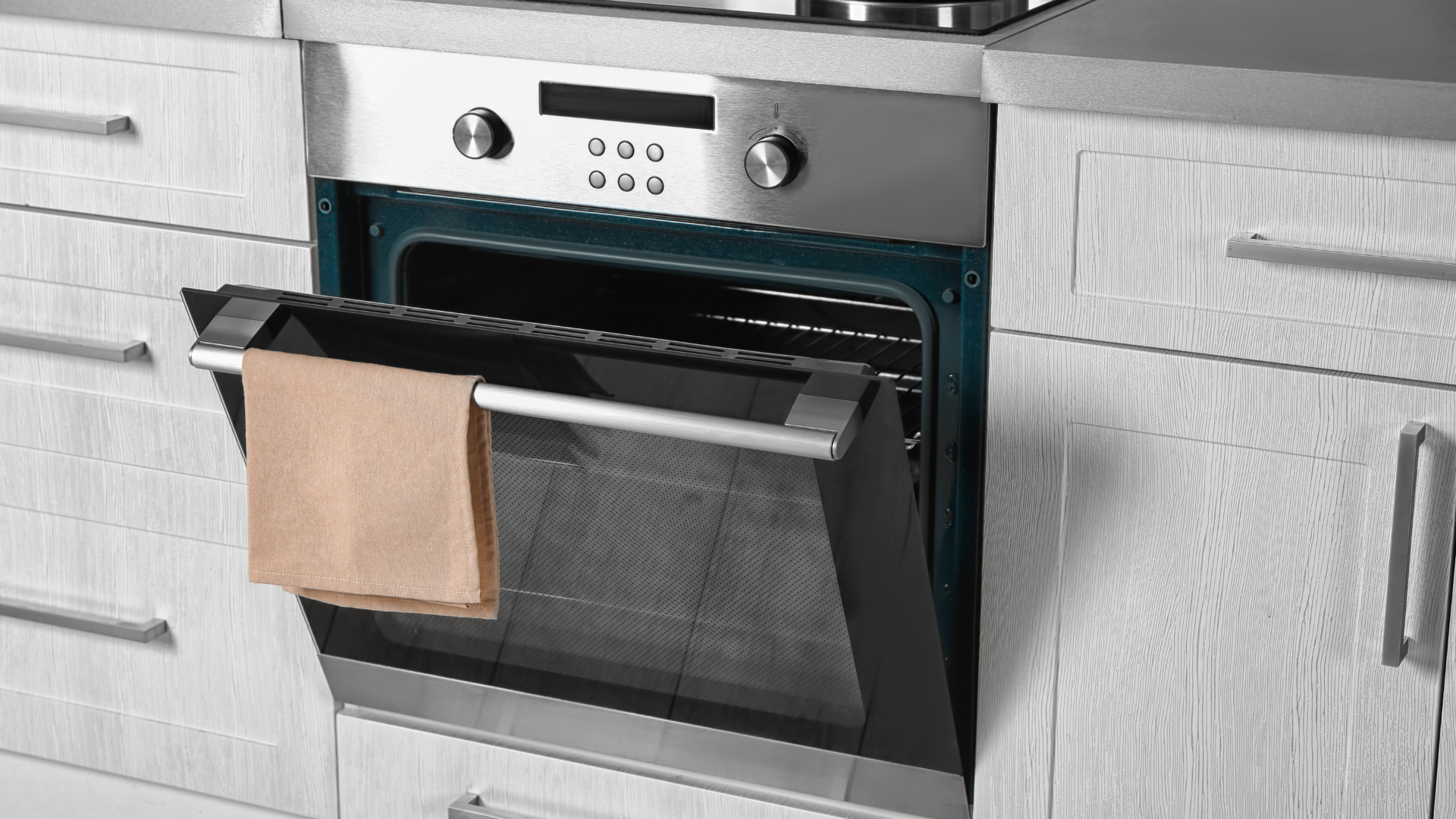
At Palisade Towers, a 415-unit residential complex, more than 1,000 residents were left without gas service for over a year following severe pipe corrosion discovered in 2024. Now, a $35 million, multi-phase project is underway to fully convert the property from gas to electric—starting with the installation of new induction stoves and expanding to a complete overhaul of building systems.
A Large-Scale Retrofit Already in Motion
The project, led by the Yonkers Housing Authority in collaboration with state and local agencies, will span multiple years and is expected to be completed by 2027. It includes:
- Full conversion from gas to electric service across eight buildings
- Installation of high-efficiency heat pump systems for heating and cooling
- Upgraded electrical infrastructure, including panels, feeders, and conduits
- Replacement of gas appliances with modern electric alternatives
- Interior and exterior modifications to support increased electrical load
Notably, all work is being completed without displacing residents, a complex but increasingly important model for occupied-building retrofits.
More Than a Local Project
While the immediate focus is restoring full service and improving living conditions for residents, the broader implications extend well beyond Yonkers.
New York State continues to advance aggressive climate and electrification goals, with increasing emphasis on reducing fossil fuel reliance in buildings. Projects like this one demonstrate how those policies are beginning to materialize—particularly in older multifamily housing stock where deferred maintenance and outdated systems present both risk and opportunity.
What This Means for REALTORS® and Property Owners
For members of the Hudson Gateway Association of REALTORS® and the wider real estate community, this project highlights several emerging realities:
Aging Infrastructure Is a Growing Liability
Buildings constructed decades ago may face significant system failures if upgrades have been deferred. These risks can directly impact property value, insurability, and marketability.
Electrification Is Gaining Momentum
As municipalities and states push toward cleaner energy, property owners should anticipate increased pressure—and potential incentives—to transition away from gas systems.
Capital Planning Will Become More Critical
Large-scale retrofits like this require substantial investment. Owners, co-op boards, and investors will need to proactively plan for long-term capital improvements tied to energy compliance and infrastructure resilience.
Transaction Due Diligence Is Evolving
Buyers and agents may need to look more closely at building systems, utility infrastructure, and potential future upgrade requirements as part of the evaluation process.
A Signal of What’s Ahead
What began as an infrastructure crisis has evolved into a blueprint for modernization—one that reflects where housing policy, sustainability goals, and real estate operations are heading.
As more buildings across the region face similar challenges, projects like Palisade Towers may become less the exception and more the expectation.
HGAR will continue to monitor developments like this and provide members with insights on how policy shifts and infrastructure investments are shaping the future of housing in our region.